Updated on 2026/01/06

写真a

 
Ishii Satoshi
 
Organization
Department of Architecture - Professor
Profile
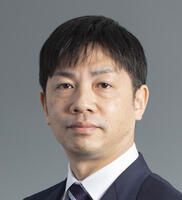
1969年生まれ(浜松市出身)。1993年東北大学建築学科卒業、1995年東北大学修了(修士)、1997年〜2000年ヘルシンキ工科大学大学院留学、2001年東京大学大学院修了(博士)。2001年より東北工業大学講師、2010年より現職。2012年にも8ヶ月間ヘルシンキに滞在し、フィンランドの高齢者住宅の状況等について調査研究を行う。専門は建築計画で高齢者の介護施設や住宅、認知症のための空間環境のあり方に関して継続的に研究。2001年日本建築学会奨励賞など。主な著書に「グループホーム読本」(共著)、「小規模多機能ホーム読本」(共著)、「施設から住まいへ−高齢期の暮らしと環境」(共著)、「認知症ケア環境事典」(共著)など多数。,,「人間と環境とのかかわりを探る~高齢期における居住のあり方と暮らしを支える環境を考える」,建築計画学の視点から、高齢期、特に要介護期の暮らしを支える居住施設とその環境のあり方を探ることが大きなテーマです。,そこに関わる高齢者の介護施設や住宅、関連サービス施設を対象としています。人と環境との関わりを見つめながら、その中での物理的環境の役割と可能性を明らかにし、研究を通して生活・建築・介護・制度をつなぐ橋渡しがしたいと考えています。自身の研究を遂行する上で常に根底にあることは、「『豊かさ』」とは何か」という問いかけであり、その追究こそが研究の大きな目標です。「豊かさ」の保障には、人の暮らしを支える「場」や「空間」のあり方が大きな影響を及ぼしていると考えられますし、その質の向上は欠かせないことだと信じています。またそれを学術的に立証することが研究者としての使命だと考えています。,これからの社会、地域、住宅・施設のあり方を考え、その環境の質的向上に少しでも研究が役に立てばと思っています。
External link

Degree

  • (BLANK) ( The University of Tokyo )

  • (BLANK) ( Tohoku University )

Research Interests

  • 施設計画学

  • ケア環境論

  • 環境行動学

  • Environmental design

  • 建築計画

  • 地域施設計画

  • 環境デザイン

  • 福祉住環境

  • 認知症

  • Architectural planning

  • 北欧

  • フィンランド

Research Areas

  • Social Infrastructure (Civil Engineering, Architecture, Disaster Prevention) / Architectural planning and city planning  / 施設計画, 福祉住環境, 認知症, 環境デザイン, 環境行動学

Education

  • The University of Tokyo

    1995.4 - 2001.3

      More details

    Country/Region: Japan

    researchmap

  • Helsinki University of Technology

    1997.9 - 2000.2

      More details

    Country/Region: Finland

    researchmap

  • Tohoku University   Faculty of Engineering

    1991.4 - 1995.3

      More details

    Country/Region: Japan

    researchmap

  • 東北大学大学院   工学研究科   建築学専攻

    1993.4 - 1995.3

      More details

Research History

  • 日本学術振興会特別研究員

    1998 - 1999

      More details

Professional Memberships

Committee Memberships

  • 宮城県   みやぎ住まいづくり協議会 運営委員  

    2022.6   

      More details

  • 日本建築学会   福祉施設小委員会 委員  

    2021   

      More details

  • 日本医療福祉建築協会   医療福祉建築賞 審査委員長  

    2019.8 - 2022.3   

      More details

  • 宮城県南三陸町   南三陸町生涯学習センター建設事業 基本・実施設計プロポーザル 審査委員長  

    2015.12 - 2016.3   

      More details

  • 日本医療福祉建築協会   医療福祉建築賞 審査員  

    2015.10 - 2017.3   

      More details

  • 岩手県陸前高田市   陸前高田市広田診療所プロポーザル 審査委員  

    2015.8 - 2016.3   

      More details

  • 日本建築学会東北支部   東北建築賞研究奨励賞選考委員会 委員  

    2015.4   

      More details

  • 日本建築学会   東日本大震災における実効的復興支援の構築に関する特別調査委員会 岩手・宮城支援検討小委員会 幹事  

    2014.6 - 2016.3   

      More details

  • 仙台市中高層建築物紛争調停委員会   委員(委員長2018.9-)  

    2014.4 - 2024.3   

      More details

  • 仙台市産業振興事業団   健康福祉サービス・機器開発委託事業 審査委員長  

    2014.4 - 2019.3   

      More details

  • 日本建築学会   高齢者・障がい者等居住小委員会 主査  

    2014.4 - 2016.3   

      More details

  • 社会福祉法人宮城県身体障害者福祉協会   障害者支援施設「不忘園」新築工事基本設計業務プロポーザル 審査委員長  

    2014.4 - 2015.3   

      More details

  • 宮城県南三陸町   福祉と住まいの連携モデル整備検討会 メンバー  

    2013.12 - 2016.3   

      More details

  • 宮城県名取市   名取市休日夜間急患センター新築工事基本設計案プロポーザル 審査委員長  

    2013.9 - 2013.12   

      More details

  • みずほ情報総研   効果的なユニットケアと施設の整備規模に関する調査研究事業(平成25年度老人保健健康増進等事業)委員長  

    2013.7 - 2014.3   

      More details

  • 日本医療福祉建築協会   情報委員長  

    2012.9 - 2014.8   

      More details

  • 日本グループホーム協会   グループホームにおける災害時対策に関する研究 委員  

    2011.10 - 2012.3   

      More details

  • 日本建築学会   復旧復興支援部会 委員  

    2011.5 - 2016.3   

      More details

  • 日本グループホーム協会   グループホームの安全性確保・向上に関する調査研究 委員  

    2010.10 - 2011.3   

      More details

  • 日本建築学会   建築計画委員会 地域施設計画小委員会 委員  

    2010.4 - 2014.3   

      More details

  • 日本医療福祉建築協会   編集委員会 委員長  

    2010.4 - 2011.1   

      More details

  • 一般社団法人 日本ユニットケア推進センター   ユニットリーダー研修実地研修施設選定委員会 委員長  

    2009   

      More details

    Committee type:Academic society

    researchmap

  • 宮城県   宮城県住宅施策懇話会 座長  

    2025.10   

      More details

  • 福島県   福島県衛生研究所再整備プロポーザル審査委員会 委員長  

    2025.10 - 2026.3   

      More details

  • 福島県   双葉地域における中核的病院整備 基本・実施設計業務委託 公募型プロポーザル審査委員会 委員  

    2025.6 - 2025.8   

      More details

  • 福島県   福島県立医科大学附属病院再整備基本設計・実施設計業務に係る 公募型プロポーザル 審査委員長  

    2025.2 - 2025.9   

      More details

  • 日本建築学会   日本建築学会賞選考委員会 業績部会委員  

    2024.8   

      More details

    Committee type:Academic society

    researchmap

  • 宮城県加美町   加美町新庁舎建設委員会 委員長  

    2024.7   

      More details

    Committee type:Municipal

    researchmap

  • 日本医療福祉建築協会   令和6年度老人保健事業推進費等補助金 地域における小規模多機能型居宅介護のあり方に関する調査研究事業 調査研究委員会 委員  

    2024.7 - 2025.3   

      More details

  • 宮城県加美町   加美町新庁舎設計プロポーザル審査委員会 委員長  

    2024.7 - 2024.10   

      More details

    Committee type:Municipal

    researchmap

  • 宮城県石巻市   石巻市新学校給食センター整備運営PFI事業 審査委員  

    2024.4 - 2024.12   

      More details

    Committee type:Municipal

    researchmap

  • 宮城県亘理町   亘理町立学校給食センター整備運営事業者選定委員会 委員長  

    2023.12 - 2024.12   

      More details

    Committee type:Municipal

    researchmap

  • 国土交通省東北地方整備局   福島国際研究教育機構施設 設計業務 技術提案書評価委員会 委員長  

    2023.12 - 2024.6   

      More details

  • 宮城県   聴覚支援学校校舎等改築設計公募型プロポーザル判定委員会 委員長  

    2023.10 - 2024.3   

      More details

    Committee type:Municipal

    researchmap

  • 福島県   宮下病院建替え公募型プロポーザル審査委員会 審査委員長  

    2023.5 - 2024.2   

      More details

  • 福島県建築設計協同組合   福島県社会福祉事業団「福島県からまつ荘建築設計業務」プロポーザル審査委員会 委員長  

    2023.4 - 2023.6   

      More details

  • 復興庁   復興庁・福島国際研究教育機構の施設に関するアドバイザリー会議 委員  

    2023.3 - 2024.3   

      More details

  • 宮城県   松島高等学校校舎等改築設計公募型プロポーザル 判定委員会 委員長  

    2022.10 - 2023.3   

      More details

  • 岩手県北上市   北上中学校建設設計プロポーザル選考委員会 審査委員  

    2022.10 - 2023.3   

      More details

  • 福島県   福島県建築文化賞 審査委員  

    2022.8   

      More details

  • 宮城県   高等技術専門校新築等設計公募型プロポーザル 判定委員会委員長  

    2022.8 - 2023.3   

      More details

  • 宮城県   宮城県建設関連総合評価 有識者委員  

    2022.7   

      More details

  • 日本医療福祉建築協会   令和4年度老人保健健康増進等事業「介護施設等の職員に必要な防災・減災の知識に関する調査研究事業」 委員  

    2022.7 - 2023.3   

      More details

  • 日本医療福祉建築協会   運営委員会 委員長  

    2022.6 - 2024.6   

      More details

    Committee type:Academic society

    researchmap

  • 宮城県大郷町   大郷町粕川地区防災施設設計プロポーザル 審査委員会 委員長  

    2022.6 - 2023.3   

      More details

  • 宮城県柴田町   柴田町総合体育館整備事業モニタリング委員会 委員長  

    2022.3 - 2024.9   

      More details

  • 宮城県   宮城県民会館・宮城県民間非営利活動プラザ複合施設新築設計公募型プロポーザル 選定委員長  

    2021.11 - 2022.3   

      More details

  • 宮城県気仙沼市   気仙沼市新庁舎建設設計業務に係る公募型プロポーザル 審査委員長  

    2021.11 - 2022.3   

      More details

  • 宮城県   大崎地区(東部ブロック)職業教育拠点校新築設計公募型プロポーザル 審査委員長  

    2021.11 - 2022.3   

      More details

  • 社会福祉法人ライフの学校   六郷キャンパス建築設計工事監理等業務委託指名競争プロポーザル 審査委員長  

    2021.10   

      More details

  • 宮城県蔵王町   蔵王町統合中学校設計プロポーザル 審査委員長  

    2021.8 - 2022.3   

      More details

  • 宮城県   仙台家畜保健衛生所改築設計公募型プロポーザル 審査員長  

    2021.8 - 2021.10   

      More details

  • 日本建築学会   日本建築学会論文集委員会  

    2021.6 - 2023.5   

      More details

  • 福島県設計協同組合   福島県社会福祉事業団「福島県やまぶき荘建築設計業務」プロポーザル 審査委員長  

    2021.5 - 2021.8   

      More details

  • 日本建築学会   環境行動研究小委員会 委員  

    2021.4   

      More details

  • 宮城県   宮城県住宅施策懇話会 委員長  

    2020.6 - 2022.3   

      More details

  • 日本医療福祉建築協会   令和2年度老人保健健康増進等事業(老人保健事業推進費等補助金)「地域の高齢者介護施設を中核とした整備に関する調査研究」 委員長  

    2020.6 - 2021.3   

      More details

  • 岩手県北上市   北上市東部地区統合小学校建設工事設計業務委託指名型プロポーザル審査 委員  

    2020.6 - 2020.8   

      More details

  • 一般社団法人 木を活かす建築推進協議会   令和2年度林野庁補助事業 医療施設・福祉施設木材利用普及検討委員会 委員長  

    2020.4 - 2021.2   

      More details

  • 東北運輸局   東北運輸局バリアフリープロモーター 委員  

    2020.3   

      More details

  • 岩手県北上市   北上市立笠松小学校建て替えプロポーザル審査 委員  

    2019.10   

      More details

  • 日本医療福祉建築協会   医療福祉建築賞 審査員長  

    2019.8 - 2021.3   

      More details

  • 岩手県盛岡市   盛岡学校給食センター整備運営事業審査委員会 副委員長  

    2019.8 - 2020.8   

      More details

  • 福島県   福島県立医科大学助産師養成施設整備事業 基本・実施設計プロポーザル審査 委員長  

    2019.8 - 2020.3   

      More details

  • 宮城県   視覚支援学校・視覚障害者情報センター改築設計公募型プロポーザル審査 委員長  

    2019.8 - 2020.2   

      More details

  • 岩手県盛岡市   盛岡南公園野球場(仮称)等整備等PFI事業審査委員会 委員  

    2019.3 - 2019.10   

      More details

  • 東北運輸局   移動等円滑化評価会議東北分科会 副委員長  

    2019   

      More details

  • 仙台市   仙台市本庁舎建替基本計画検討委員会 委員  

    2018.12 - 2020.7   

      More details

  • 一般社団法人 日本ユニットケア推進センター   厚生労働省平成30年度老人保健健康増進等事業個別ケアの手法開発に関する調査研究委員会  

    2018.10 - 2019.3   

      More details

  • 宮城県   仙台南部地区特別支援学校新築設計公募型プロポーザル 審査委員長  

    2018.10 - 2019.3   

      More details

  • 宮城県   宮城第一高改築設計公募型プロポーザル 審査委員長  

    2018.8 - 2019.3   

      More details

  • 一般社団法人木を活かす建築推進協議会   医療・福祉施設木材利用促進検討委員会(林野庁事業)委員・WG主査  

    2018.6 - 2019.3   

      More details

  • 一般社団法人 日本医療福祉建築協会   理事  

    2018.5   

      More details

  • 岩手県北上市   北上市新中央学校給食センター整備等事業者選定審査委員会 副委員長  

    2018.2 - 2018.7   

      More details

  • 福島県   「福島県立こころの医療センター(仮称)整備事業」基本・実施設計業務公募型プロポーザル 審査委員  

    2017.12 - 2018.6   

      More details

  • みずほ総研   厚生労働省平成29年度老人保健健康増進等事業「特別養護老人ホームの個別ケアの実態と介護職員確保・定着・育成に関する調査」 委員  

    2017.9 - 2018.3   

      More details

  • 宮城県   宮城県高齢者住宅施策懇話会 座長  

    2017.6 - 2018.3   

      More details

  • 日本建築学会   日本建築学会大会実行委員 幹事  

    2017.5 - 2018.9   

      More details

  • 笛吹市社会福祉協議会   一宮地区複合的福祉サービス拠点建設事業 基本設計及び実施設計業務委託プロポーザル 審査員  

    2016.12 - 2017.3   

      More details

  • 宮城県   宮城県船形コロニー改築等設計公募型プロポーザル判定委員会 委員長  

    2016.10 - 2017.2   

      More details

  • 宮城県   宮城県住宅施策懇話会 委員  

    2016.6 - 2017.3   

      More details

  • 仙台市東二番丁小学校   評議員  

    2016.4 - 2018.3   

      More details

  • 市浦ハウジング&プランニング   厚生労働省老健局所管 平成28年度老人保健健康増進等事業)「高齢者の尊厳の保持と制度の持続可能性確保を両立させる介護保険施設の整備のあり方に関する研究事業」委員  

    2016.4 - 2017.3   

      More details

  • 市浦ハウジング&プランニング   「高齢者の尊厳の保持と制度の持続可能性確保を両立させる介護保険施設の整備のあり方に関する研究事業」(平成27年度老人保健健康増進等事業)委員  

    2015.7 - 2016.3   

      More details

  • 日本ユニットケア推進センター   ユニットケアのあり方と運営に関する研究会委員  

    2015.4 - 2016.3   

      More details

  • 宮城県   船形コロニー施設整備検討会 委員長  

    2015.4 - 2016.3   

      More details

  • NPO法人介護サービス非営利団体ネットワークみやぎ   福祉サービス第三者評価委員 委員長  

    2014.12   

      More details

  • 日本医療福祉建築協会   事業委員長  

    2014.9 - 2016.9   

      More details

  • 日本建築学会   東日本大震災合同調査報告書(建築計画)WG 委員  

    2014.8 - 2016.3   

      More details

  • 日本建築学会   高齢者・障がい者等居住小委員会主査  

    2014 - 2016   

      More details

    Committee type:Academic society

    researchmap

  • 日本建築学会   作品選奨選考委員会 委員  

    2013.8 - 2015.5   

      More details

  • 日本建築学会   建築計画本委員会 委員  

    2012   

      More details

    Committee type:Academic society

    researchmap

  • 日本医療福祉建築協会   東日本大震災における高齢者施設の被災実態に関する調査研究(平成23年度老人保健健康増進等事業)統括委員長  

    2011.8 - 2012.3   

      More details

  • 宮城県   復興住宅検討会 委員  

    2011.5 - 2012.3   

      More details

    Committee type:Municipal

    researchmap

  • 宮城県山元町   復興有識者会議委員  

    2011.5 - 2012.3   

      More details

    Committee type:Municipal

    researchmap

  • 国土交通省東北運輸局   バリアフリーリーダー  

    2010.4 - 2019.3   

      More details

    Committee type:Government

    researchmap

  • 宮城県   宮城県拓桃医療療育センターあり方検討懇話会委員  

    2010.4 - 2011.3   

      More details

    Committee type:Municipal

    researchmap

  • 仙台市   仙台市福祉整備審議会 委員長  

    2010   

      More details

    Committee type:Municipal

    researchmap

  • 石巻市   石巻地区広域行政事務組合養護老人ホーム万生園 改築事業者選定委員会 副委員長  

    2007.4 - 2008.3   

      More details

    Committee type:Municipal

    researchmap

  • 日本建築学会   東北支部計画部会・部会長  

    2007 - 2012   

      More details

    Committee type:Academic society

    researchmap

  • 日本医療福祉建築協会   運営委員  

    2005   

      More details

    Committee type:Academic society

    日本医療福祉建築学会

    researchmap

  • (財)宮城県地域振興センター   評議員  

    2003 - 2006   

      More details

    Committee type:Academic society

    researchmap

  • 日本建築学会   東北支部・常議員  

    2003 - 2005   

      More details

    Committee type:Academic society

    researchmap

  • 福島県   特別養護老人ホームユニットケア推進検討会・委員  

    2003 - 2005   

      More details

    Committee type:Municipal

    researchmap

▼display all

Job Achievement

  • 第二次学部学科改組・再編プロジェクトチーム

    2017.4

  • 学部学科改組・再編プロジェクトチーム

    2014.8 - 2016.3

  • 第2次5ヵ年計画策定計画WG

    2013.5 - 2014.3

  • FD企画部会・推進部会

    2010.4 - 2014.3

  • FD委員会

    2009.4 - 2010.3

  • 教務委員会

    2008.4 - 2010.3

▼display all

Papers

  • Converting school buildings into senior care facilities in China: urban and rural approaches Reviewed

    Xiaolian Yu, Satoshi Ishii

    Journal of Asian Architecture and Building Engineering   1 - 29   2025.8

     More details

    Publishing type:Research paper (scientific journal)   Publisher:Informa UK Limited  

    DOI: 10.1080/13467581.2025.2546397

    researchmap

  • A STUDY ON RESIDENCE CONTINUANCE INTENTION IN OLD AGE AND MUTUAL-SUPPORT-Case study in Nishinosima Town and Yamato Village of remote islands- Reviewed

    KUSHIRO Wakana, YAMAGUCHI Kentaro, ISHII Satoshi, SAITO Yayoi, MIURA Ken

    Journal of Architecture and Planning (Transactions of AIJ)   90 ( 833 )   1438 - 1449   2025.7

     More details

    Language:Japanese   Publisher:Architectural Institute of Japan  

    The purpose of this study is to identify the awareness of housing choice and the provision of services by residents in old age in two remote islands, Nishinoshima Town and Yamato Village. The survey methods was an all-inclusive questionnaire for residents aged for 40 years and above in these two areas.

    1. The desired housing in old age tended to be an institution in Nishinosima Town and a home in Yamato Village.

    2. Yamato Village had a higher sense of support for elders and residents than Nishinosima Town.

    DOI: 10.3130/aija.90.1438

    CiNii Research

    researchmap

  • A scoping review of studies for senior nursing home planning in Japan—Trajectory of introducing private rooms and unit care system in nursing home Reviewed

    Tatsuya Nishino, Haruka Tsukuda, Shigeki Matsubara, Satoshi Ishii, Yukiko Inoue, Hiroshi Tachibana, Kentaro Yamaguchi, Lai Sima, Ui Mimasaku

    JAPAN ARCHITECTURAL REVIEW   7 ( 1 )   2024.1

     More details

    Publishing type:Research paper (scientific journal)   Publisher:Wiley  

    Abstract

    In aging and aged countries, one of the main issues is to establish sufficient nursing homes for seniors. Japan, as one of the most rapidly aged countries, has been reforming nursing homes for the elderly since the 1990s and established a long‐term care insurance system. The purpose of this scoping review is to systematically map the evolution of researches for nursing homes in Japan since the 1990s, particularly with the post‐occupancy evaluation of the introduction of private rooms and small units. Forty‐three articles concerning privatization of rooms, shared spaces, and small unitization in nursing homes were extracted and analyzed. They were published between 1994 and 2021 in Journal of Architecture and Planning, AIJ Journal of Technology, JAABE, and JAR. The results revealed an evaluation of the privatized rooms mainly from the perspectives of residents' lives and care staffing, the effects and issues of the shared spaces introduced at the same time as private rooms, and the evaluation and issues on subsequent unit‐type floor plans. This study offers significant implications to Asian countries that will have aging and aged populations in the near future by summarizing Japan's experience in dealing with realistic and practical problems over the past 20 years.

    DOI: 10.1002/2475-8876.12457

    researchmap

  • RESEARCH ON EVACUATION AND RESTORATION OF FACILITIES FOR THE ELDERLY AFTER INUNDATION DAMAGE: Case study of large-scale flood damage since 2018 Reviewed

    MIYAZAKI Takahumi, NAKAMURA Yuta, YAMAGUCHI Kentaro, KANAI Junko, SATO Satoshi, ISHII Satoshi

    AIJ Journal of Technology and Design   29 ( 73 )   1437 - 1442   2023.10

     More details

    Language:Japanese   Publisher:Architectural Institute of Japan  

    This study conducted a hearing investigation on the process from the evacuation situation at the time to the resumption of welfare services, targeting 6 facilities that were flooded by large-scale disasters that occurred after 2018. Of the six flood-damaged facilities, five were located in flood risk zones. Facilities where evacuation to the upper floors had been completed before the flooding had no human damage. After that, residents and staff evacuated to other facilities. In many facilities, changes were seen in disaster prevention after the disaster.

    DOI: 10.3130/aijt.29.1437

    DOI: 10.3130/aija.90.1426_references_DOI_SYs6e2WMPxhYEqtx2q6pDz1tWUX

    CiNii Research

    researchmap

  • Study on co-assisted housing complex for continuing the autonomous life of the elderly: case study on the co-assisted housing complex in the affected area from the Great East Japan Earthquake Reviewed

    Tsukuda Haruka, Ishii Satoshi, Yang Shuan, Onoda Yasuaki

    JOURNAL OF THE HOUSING RESEARCH FOUNDATION "JUSOKEN"   49   249 - 259   2023.3

     More details

    Language:Japanese   Publisher:Housing Research Foundation "JUSOKEN"  

    From a survey of co-assisted-type disaster public housing built in the affected area from the Great East Japan Earthquake, it become clear that in order to establish “co-assistant,” it is necessary for residents to understand to support each other, for residents not to care for each other more than necessary, and spacial features such as richness and visibility of common areas contribute to communication among residents and to prevent isolation, while interference between the personal and public spheres can lead to problems in human relations.

    DOI: 10.20803/jusokenronbunjisen.49.0_249

    CiNii Research

    researchmap

  • ACTURAL CONDITIONS AND ISSUES IN PLANNING TEMPORARY WELFARE HOUSING BUILT IN AREAS AFFECTED BY THE GREAT EAST JAPAN EARTHQUAKE Reviewed

    石井敏

    日本建築学会計画系論文集(Web)   88 ( 803 )   2023

     More details

    Authorship:Lead author  

    J-GLOBAL

    researchmap

  • STUDY ON ARCHITECTURAL PLANNING OF NURSING HOME FOR THE PLACE OF END-OF-LIFE CARE Reviewed

    ISHII Satoshi

    Journal of Architecture and Planning (Transactions of AIJ)   ( 766 )   2523 - 2533   2019.12

     More details

    Authorship:Lead author   Language:Japanese   Publisher:Architectural Institute of Japan  

    <p> Some nursing homes for the elderly provide a high level of nursing care for residents, and they are taking increased responsibilities as the places for end-of-life care. However, the actual state of facilities as the places for end-of-life care is not fully understood, and in particular, it has not been thoroughly discussed or analyzed from a spatial perspective. In this study, it is aimed to clarify the state of nursing homes for the elderly as 'one's final abode' and problems in facility development plans. It is also aimed to further develop the concept of nursing homes for the elderly, which has presently changed from a simple 'place of nursing care' to a 'place of living' and to clarify the optimal state of nursing homes for the elderly when perceived as 'one's final abode' from the viewpoint of architectural planning. The survey was performed by twice questionnaire survys at all nursing homes for the elderly in the Tohoku, Kanto, and Chugoku regions. Additionally, on-site interviews and supplementary questionnaires regarding facility room usage were conducted.</p><p> The main results are as follows:</p><p> (1) It is clarified the state of nursing homes for the elderly as the places for end-of-life care. Furthermore, we found differences in the approach to end-of-life care among the facilities and regional characteristics.</p><p> (2) It is found differences in responding to end-of-life care as well as room usage during the process between conventional-type nursing homes with two- or four-bed rooms and unit-type nursing homes with private rooms.</p><p> (3) Total average of the percentage of death in the facility was about 56%, an increase of about over 10% compared to 20 years ago own survey. The difference between the prefectures is also large, nearly 25%. In the conventional type and the unit type, the conventional type had about 57% death in the facility and the unit type about 52%. In other words, the percentage of died in facilities was high in conventional multi-bed type facilities.</p><p> (4) In addition to the fact that individual private rooms contribute to the protection of everyday privacy and improved lifestyle, they enable end-of-life care to take place as an extension of one's life. In other words, there is no need to change rooms when end-of-life is approaching, and one can live in their own room until the end.</p><p> (5) The actual conditions of use of the rest room and the mortuary varied depending on the facilities. Also, it became clear that the residential private room also plays the role of a rest room and a morgue.</p><p> (6) It became clear that each facility is performing various devices and considerations on the environmental aspect in end-of-life care. There was a need to arrange space or room that could accommodate the family's attendants and staying.</p><p> (7) It became clear that active cooperation of a general medical doctor, awareness sharing of staff including nurses, and experience are very important in practice of end-of life care in a facility.</p><p> (8) It is clarified the optimal state of nursing homes for the elderly and the approach in preparing facility spaces based on their roles as the places for end-of-life care.</p>

    DOI: 10.3130/aija.84.2523

    CiNii Research

    researchmap

    Other Link: https://www.aij.or.jp/paper/detail.html?productId=625322

  • A STUDY ON THE DAMAGE AND BUSINESS CONTINUITY AT FACILITIES FOR THE ELDERLY BY KUMAMOTO EARTHQUAKE Reviewed

    MIYAZAKI Takafumi, NAKASHIMA Tomomi, YAMAGUCHI Kentaro, ISHII Satoshi, SATO Satoshi, HAMASAKI Yuko

    Journal of Architecture and Planning (Transactions of AIJ)   83 ( 751 )   1645 - 1655   2018.9

     More details

    Language:Japanese   Publisher:Architectural Institute of Japan  

    &nbsp;This study aims to quantify the structural damages, evacuation situation, and utility interruptions caused to facilities for the elderly in the 2016 Kumamoto earthquake. We gathered data by administering a questionnaire to all facilities for the elderly in Kumamoto and Oita prefectures, and a series of interviews administered at 17 facilities in the Kumamoto prefecture. The results are as follows:<br>&nbsp;1) The foreshock caused structural damages in 56.2% and 16.1% of facilities in the Kumamoto and Oita prefectures, respectively. Further, the main earthquake caused structural damages in 69.2% and 21.4% facilities in the Kumamoto and Oita prefectures, respectively. The interior and exterior walls and ceilings were found to be cracked, and some furniture were damaged, while the interior of one of the facilities was severely damaged by flooding because of a sprinkler malfunction. After the foreshock, in most facilities, the furniture was damaged because it was not fixed to the walls. To ensure less damage after the foreshock, most facilities took precautions such as putting tall furniture on the floor and moving the residents' beds to a safe space.<br>&nbsp;2) According to the interview survey, most of three facilities to which evacuees temporarily fled from outside the facilities, and they returned to the facilities in the following morning after staying a night in vehicles. Evacuation to other facilities was made at only two facilities of GH. At four facilities, most of which were nursing homes, residents gathered in a space. At unit-type nursing homes, residents gathered in a dining room and a hallway within a unit, and at old type nursing homes, residents gathered in a functional recovery training room and an elevator hall. The number of residents per room changed at only one unit type nursing home.<br>&nbsp;3) According to the questionnaire survey, electricity was lost in 21.4% of the facilities, water supply was lost in 25.3% of the facilities, gas outage was observed in 55.6% of the facilities, with 12.1% of propane gas outage, and 6.3% of facilities suffered from sewage drainage stops. According to the interview survey, no facilities experienced a serious shortage of food because relief supplies became available and procurement became possible after a few days of subsistence with their food stock.<br>&nbsp;4) About a quarter of the facilities (29.5%) accepted evacuees who needed care, and 17.6% accepted general evacuees by the questionnaire survey. The interview survey found that there were many cases where local residents evacuated their homes because they felt uneasy about the aftershocks following the foreshock, and no facilities clearly differentiated required assistances from general evacuees when they accepted evacuees, and the facilities used their community regional common space, entrance hall, and annexed day service floor as an evacuation space.

    DOI: 10.3130/aija.83.1645

    CiNii Research

    researchmap

    Other Link: https://www.aij.or.jp/paper/detail.html?productId=615307

  • STUDY ON CO-ASSISTED HOUSING COMPLEX FOR THE AUTONOMOUS LIFE OF THE ELDERLY : Case study on Soma-idobatanagaya Reviewed

    Tsukuda Haruka, Ishii Satoshi

    JOURNAL OF THE HOUSING RESEARCH FOUNDATION "JUSOKEN"   45 ( 45 )   95 - 106   2018

     More details

    Language:Japanese   Publisher:Housing Research Foundation "JUSOKEN"  

    Soma-idobatanagaya was built as the only group home type housing aiming for co-assistant among residents as a disaster public housing for the elderly after the Great East Japan Earthquake. Although the situation of assistance after moving in depends on the strength of previous relationships of residents, the relationship has changed due to the aging of residents. Also, the form of housing, the placement on the site, the relationship with the orientation affects the daily use of the co-assisted space. Furthermore, not only among residents but also families and acquaintances is supporting the lives of residents.

    DOI: 10.20803/jusokenronbunjisen.45.0_95

    CiNii Research

    researchmap

  • ユニット型介護老人福祉施設における共同生活室の利用状況と関連要因の分析 Reviewed

    石橋 洋次郎, 石井 敏, 三浦 研

    厚生の指標   62 ( 11 )   32 - 38   2015.9

     More details

    Language:Japanese   Publisher:厚生労働統計協会  

    CiNii Research

    researchmap

    Other Link: http://search.jamas.or.jp/link/ui/2015402986

  • ANALYSIS ON THE DAMAGE AND RECOVERY AT FACILITIES FOR THE ELDERLY DUE TO THE GREAT EAST JAPAN EARTHQUAKE BY QUESTIONNAIRE SURVEY Reviewed

    KANKI Yumi, INOUE Yukiko, ISHII Satoshi

    Journal of Architecture and Planning (Transactions of AIJ)   78 ( 691 )   1891 - 1891   2013.9

     More details

    Language:Japanese   Publisher:Architectural Institute of Japan  

    According to a questionnaire survey of the facilities for the elderly in Miyagi and Iwate, 95.4% of them suffered building and site damage. Tsunami had a greater impact than earthquake intensity. 31 facilities were struck by tsunami, and elderly were killed or missing at eight of them. The high percentage of tsunami attacks on small-sized multifunctional in-home care linked to the high percentage of &ldquo;completely destroyed&rdquo;. Land development was linked to site damage. 63.0% of nursing homes and health services facilities for the aged had developed lands, and these were linked to the high percentage of site damage.

    DOI: 10.3130/aija.78.1891

    CiNii Research

    researchmap

  • A STUDY ON THE DAMAGE AND BUSINESS CONTINUITY AT FACILITIES FOR THE ELDERLY BY GREAT EAST JAPAN EARTHQUAKE Reviewed

    YAMAGUCHI Kentaro, ISHII Satoshi, INOUE Yukiko, MIURA Ken

    Journal of Architecture and Planning (Transactions of AIJ)   78 ( 690 )   1733 - 1733   2013.8

     More details

    Language:Japanese   Publisher:Architectural Institute of Japan  

    The aim of this study is to clarify the damages and the Business Continuity caused by The Great East Japan Earthquake about facilities for the elderly through visiting and interview survey. The results are as follows; 1) Residents in community-based facilities evacuated from tsunami were using cars. Those in large-scale facilities evacuated to the upper floors using the staircases being carried by care staff. 2) Residents in facilities, their rooms' windows or sprinklers were broken caused by the earthquake, were forced to evacuate to another floors or buildings. 3) Even in the facilities with no or less damaged, the care system had to be changed and the residents were forced to move to another room in the same facilities for a certain period of time. This was caused for providing accommodation for refugees in the area, lifeline cutoff and staff shortages.

    DOI: 10.3130/aija.78.1733

    CiNii Research

    researchmap

  • ACTUAL CONDITIONS AND PROBLEMS OF FIRE SAFETY IN THE GROUP LIVING FOR THE ELDERLY WITH DEMENTIA AND THE COMMUNITY BASED MULTI-CARE FACILITY Reviewed

    INOUE Yukiko, ISHII Satoshi, NISHINO Tatsuya

    AIJ Journal of Technology and Design   18 ( 40 )   1023 - 1023   2012.10

     More details

    Language:Japanese   Publisher:Architectural Institute of Japan  

    DOI: 10.3130/aijt.18.1023

    Scopus

    CiNii Research

    researchmap

  • RESEARCH ON THE ACTUAL CONDITION OF LIVING ENVIRONMENT OF UNIT-TYPE RESIDENTIAL FACILITIES FOR THE ELDERLY FROM LAYOUT PLAN VIEW ANALYSIS Reviewed

    ISHII Satoshi

    Journal of Architecture and Planning (Transactions of AIJ)   76 ( 661 )   531 - 531   2011.3

     More details

    Authorship:Lead author   Language:Japanese   Publisher:Architectural Institute of Japan  

    The purpose of this research is to clarify the situation of space maintenance of unit type elderly-people living and nursing accommodations, and the feature of space composition through layout plan view analysis. The unit type welfare and healthcare facilities for the elderly requiring the long-term care, sum total about 2,000 institutions which are all over the country were collected, and it analyzed and considered. The installation situation of the equipment in connection with everyday life, such as the feature of the whole composition of institutions, the feature of the space composition of unit space, a toilet, a bathroom, etc. in a unit type institution, etc. became clear from the result. The situation where the toilet installation to a bed room, the bathroom installation to a unit, etc. were progressing every year also became clear from many years past analysis. Furthermore, the difference of the status of preparation by an all-prefectures and ordinance-designated city exception also became clear. In addition to an understanding and plan of the unit care of a management person or a designer, the plan of the autonomous department specializing in maintenance and the state of instruction clarified the actual condition which has had influence not a little.

    DOI: 10.3130/aija.76.531

    CiNii Research

    researchmap

  • STUDY ON PFI SUPPORT IN UNITED KINGDAM:Comparison between the public libraries by PFI in UK and Japan Reviewed

    ONODA Yasuaki, YAMADA Keisuke, SAKAGUCHI Taiyo, YANAGISAWA Kaname, ISHII Satoshi, OKAMOTO Kazuhiko, ARIKAWA Satoshi

    Journal of Architecture and Planning (Transactions of AIJ)   75 ( 657 )   2561 - 2561   2010.11

     More details

    Language:Japanese   Publisher:Architectural Institute of Japan  

    This study focuses on the PFI supporting organizations in United Kingdom and their supporting activities toward the public clients, which include central government departments and local authorities in UK. By comparing their support in public procurement aspect and architectural design aspect with that of Japan, there is a clear structure in UK PFI support system, the Regulation Control System, which is to do with the central government reviewing projects in relation to their policy and programmes, and the Planning Support System, which is to do with supporting local authorities' actual PFI projects.<br>By scrutinizing the two PFI public library projects in UK and in Japan, there is also a difference in procurement structure in a relationship between the architect, the client and the contractor in designing process.

    DOI: 10.3130/aija.75.2561

    CiNii Research

    researchmap

  • ACTIVITY ANALYSIS OF CARE WORKERS DURING NIGHT DUTIES IN UNIT TYPE NURSING HOME FOR THE ELDERLY Reviewed

    ISHII Satoshi

    Journal of Architecture and Planning (Transactions of AIJ)   75 ( 656 )   2315 - 2315   2010.10

     More details

    Authorship:Lead author   Language:Japanese   Publisher:Architectural Institute of Japan  

    The purpose of this research is a clear about the care activity of the night shift care staff of unit type nursing home, the actual condition, and the feature of space use. In night shift care with a unit type institution, there is the feature of taking charge of two units in the one staff. The fundamental knowledge tied to the space plan of a unit type institution is acquired by clarifying aspect of movement between the staff's units, and aspect of stay of a night shift time zone. Investigation was conducted in four institutions. The investigator accompanied the night shift staff by man-to-man, and the night shift staff's care activities and use space were recorded for every minute from 10:00 to 7:00 of the next morning night. In night shift care, the actual conditions, like excretion care accounts for 20 to 30 percent, and businesslike acts, such as record, account for 20 to 30 percent became clear. The difference of the rate of each institution and the difference between the staff also became clear. The following points became clear about space stay. (1) Stay in a bed-room accounts for 30 to 50 percent. (2) With an institution without the care base station, stay in the living of one unit increases and deviation comes to be looked at by the stay situation between two units which it takes charge of. (3) With an institution with a station, that serves as a base of stay, and two units go round uniformly and stay.

    DOI: 10.3130/aija.75.2315

    CiNii Research

    researchmap

  • RESEARCH ON THE ARCHITECTURAL FEATURES FROM LAYOUT PLAN VIEW ANALYSIS:Study on architectural planning of community based multi-care facility (Part2) Reviewed

    YAMAGUCHI Kentaro, ISHII Satoshi, MIURA Ken

    Journal of Architecture and Planning (Transactions of AIJ)   75 ( 656 )   2307 - 2307   2010.10

     More details

    Language:Japanese   Publisher:Architectural Institute of Japan  

    The aim of this study is to clarify the architectural features of community base small multi care facilities from layout plan view analysis. Investigation performed the questionnaire including the request of the institution plan view for 908 facilities. The collection rate was 27.4 percent. The results are following.<br>(1) The rate of &ldquo;all private rooms&rdquo; was 39.8 %.<br>(2) As for living and dining area, 3 to 4 sq m per person occupied many.<br>(3) The width of a corridor, area of bathrooms or lavatories in the practical use of existing house were narrower than an ideal value.

    DOI: 10.3130/aija.75.2307

    CiNii Research

    researchmap

  • - Reviewed

    Vol.28 p49-56   2010.7

     More details

    Authorship:Lead author   Language:Japanese   Publishing type:Research paper (scientific journal)  

    researchmap

  • Studies of making support system of home-and community-dwelling for elderly: case studies of the residence actual condition of the single living senior citizen in the Sendai city Y area

    石井 敏

    Eos   22 ( 1 )   79 - 85   2009.12

     More details

    Language:Japanese   Publisher:東北工業大学新技術創造研究センター  

    CiNii Research

    researchmap

  • ANALYSIS ON ARCHITECTURAL FEATURES OF THE LATEST FACILITIES BY THE QUESTIONNAIRE SURVEY IN A NATIONWIDE SCALE:Study on architectural planning of community based small multi-care facility (Part 1) Reviewed

    ISHII Satoshi, MIURA Ken, YAMAGUCHI Kentaro

    Journal of Architecture and Planning (Transactions of AIJ)   74 ( 635 )   17 - 17   2009.1

     More details

    Authorship:Lead author   Language:Japanese   Publisher:Architectural Institute of Japan  

    The aims of this paper is acquiring planned knowledge through present and actual condition grasp of &ldquo;community base small multi care facilities&rdquo; which is a place to support the aged people requiring care of being home that was newly appeared by the public-nursing-care-insurance revision in April, 2006. Investigation is based on the actual condition grasp investigation by the questionnaire in a nationwide scale. The management of institutions and the actual condition of a construction outline which have been just institutionalized became clear. Since there are many examples using especially the existing building, it is necessary to grasp from now on in nearby details, such as the method of practical use of the existing building, and a subject in that case. Moreover, since the state of the space composition of &ldquo;visiting&rdquo; and &ldquo;night staying&rdquo; portion, the kind of compound function, etc. are also the points which lead to the state of the plan of the facilities directly, analysis is advanced and pursuit of a planned subject and pursuit of planned knowledge are needed.

    DOI: 10.3130/aija.74.17

    CiNii Research

    researchmap

  • STUDY ON ADAPTATION PROCESS TO THE HOME ENVIRONMENT : Part 1 The home environment of Peruvian immigrants of Japanese descent in Japan Reviewed

    PENA Pavel, ISHII Satoshi

    Journal of Architecture and Planning (Transactions of AIJ)   ( 628 )   1165 - 1171   2008.6

     More details

    Language:English   Publisher:一般社団法人日本建築学会  

    This is Part 1 of our basic study of &amp;ldquo;the Home-Environment of Peruvian Immigrants of Japanese Descent in Japan.&amp;rdquo; The study objective is determination of the trends and characteristics of Peruvian immigrants&#039; adaptation to their new home environment in Japan. It investigates how these recent immigrants have organized their own lives to build for themselves a new place to call home. This paper specifically aggregates and analyzes personal changes that occur when an immigrant moves to a new environment. Since amendment of the Japanese Immigration Act in 1991, more than 50,000 Peruvians of Japanese Descent (&lt;i&gt;Nikkeijin&lt;/i&gt;) have relocated to Japan. Now that more than 15 years have passed, we can evaluate the degree to which and the manner in which these immigrants have adjusted to conditions in Japan, and which courses this process can take. Based on a questionnaire survey and a survey of private living spaces, we have established correlations between immigrants&#039; adaptation to Japanese society and their relation to their respective home environments. We found correlations between immigrants&#039; attitudes and their residential and living environments.

    DOI: 10.3130/aija.73.1165

    CiNii Research

    researchmap

  • CASE STUDY ON THE RENTAL HOUSING FOR THE ELDERLY FROM THE VIEW POINT OF ACTUAL LIVING CONDITION AND THE STATUS OF THE RESIDENTS Reviewed

    ISHII Satoshi

    Journal of Architecture and Planning (Transactions of AIJ)   計画系論文集 ( 627 )   963 - 969   2008.5

     More details

    Authorship:Lead author   Language:Japanese   Publisher:Architectural Institute of Japan  

    This research tends to clarify the actual condition and subject based on the case research of the rental housing only for elderly people. The special rental housing only for elderly people is employed under the same system as a common residence, does not almost have regulation compared with the conventional institution, a private nursing home, etc., is with thing of flexible from and can be developed in accordance with the various services including habitation and care. It is capturing the spotlight from the private company especially. This time, it investigated in four residences (a type is two sorts). They are the questionnaire which asked that elderly housing was asked from the person who wished moving in to a resident's survey (the circumstances of moving in, and life after mobbing in) in Example A, and also a questionnaire about the physical condition of a total of 131 residents and moving-in circumstances in Example B. From the user actual condition which became clear from investigation, it was shown that it is a residence of a form completely different, respectively. Example A was a self-independent type, it begin a type corresponding to early removal needs and Example B were care needed types, and it became clear to have played the nursing home role to a user without the place to go to after hospital leaving hospital etc. The conclusion has described that the living environment maintenance after taking into consideration that it is a &ldquo;residence&rdquo; to the last is called for.

    DOI: 10.3130/aija.73.963

    CiNii Research

    researchmap

    Other Link: https://www.aij.or.jp/paper/detail.html?productId=177237

  • Research on the usage and the aspect of the common space wide opened to the community: case study on the complex type institution for the elderly-people

    石井 敏

    Eos   20 ( 1 )   67 - 70   2007.9

     More details

    Language:Japanese   Publisher:東北工業大学新技術創造研究センター  

    CiNii Research

    researchmap

  • 研究紹介 高齢者居住施設の「地域施設」としての成立の可能性に関する事例考察

    石井 敏, 小岩 眞理子

    新技術創造研究センター紀要   19 ( 1 )   59 - 62   2006.5

     More details

    Language:Japanese   Publisher:東北工業大学新技術創造研究センター  

    CiNii Research

    researchmap

  • STUDY ON THE RELATION BETWEEN DIFFERENCES OF QUANTITY OF NURSING STAFF AND OFFERED NURSING CARE IN THE RESIDENTIAL FACILITIES FOR THE ELDERLY PEOPLE Reviewed

    ISHII Satoshi

    Journal of Architecture and Planning (Transactions of AIJ)   71 ( 599 )   57 - 64   2006

     More details

    Authorship:Lead author   Language:Japanese   Publisher:Architectural Institute of Japan  

    Improvement of the quality of the environment and improving the quality of life by the individual care, etc. are being attempted nursing home for the aged. However, there is some actuality that type of facilities or the form brings differences of life and nursing care. For four facilities, by grasping the actual condition of each life and nursing care from the relation with quantity of care-worker, the purpose of this study clarifies it. Investigation carried out at one traditional-model nursing home for the aged, two new-model "unit-type" nursing homes and one group living for the elderly with dementia. Space usage and action observation of the residents and nursing staffs have done away with main research method. In the following, got conclusion is summarized. (1) There was not large difference in the physical situation of the user at each facility. (2) In the traditional-model facilities, there are many stays in the bedroom, and unit-type facilities, the proportion of the common space increases, and in the group living, the tendency increases more and more. (3) There is no change on the quantity of the basic nursing care in which facilities. (4) The quantity of the care workers is greatly influenced on the quantity of the nursing that support and improve the life. This fact shows that the number of staffs must be caught as a very important element that affect quality of life of the residents.

    DOI: 10.3130/aija.71.57_1

    CiNii Research

    researchmap

    Other Link: https://www.aij.or.jp/paper/detail.html?productId=176005

  • DIFFERENCES OF NEWLY BUILT TYPE AND RENOVATED TYPE GROUP HOME FOR PEOPLE WITH DEMENTIA FROM THE VIEWPOINT OF SPACE AND OPERATION Reviewed

    YAN Shuang, ISHII Satoshi, KANNO Minoru

    Journal of Architecture and Planning (Transactions of AIJ)   70 ( 588 )   23 - 30   2005

     More details

    Language:Japanese   Publisher:Architectural Institute of Japan  

    In Japan a change in philosophy and the approach of care for the people with dementia has also been applied as an alternative form; Group Home (GH) to the traditional institutional form around 1990. The GH building type is divided into two types, one is new houses build for GH (newly built type), and the other is an old building used as a GH (renovated type). Among the renovated type, old Japanese style houses are used as GH. In this study, six group homes were selected for comparison. By comparing the space patterns of these homes, the purposes of the study are to clarify the difference in the quality of space between the newly built type GH and the renovated type GH. This study leads to some conclusions as follows: (1) In the public space of the GH, like the living room, dining room and kitchen, the continuity of space is the most important point. It is necessary for residents to see, hear or feel other people's presence at every point inside the GH. This is crucial elderly people with dementia feel lonely and fearful when they are left alone. (2) As for the reasons why the old Japanese style house could give a positive influence to the residents, we believe it is not only the space elements, but also some psychological effects. The old house could encourage an atmosphere where residents and staff feel they are family members.

    DOI: 10.3130/aija.70.23_1

    CiNii Research

    researchmap

    Other Link: https://www.aij.or.jp/paper/detail.html?productId=175515

  • STUDIES ON THE ENVIRONMENT FOR THE PEOPLE WITH DEMENTIA AND THE CHANGING FROM CONTINUOUS POINT OF VIEW Reviewed

    YAN Shuang, ISHII Satoshi

    Journal of Architecture and Planning (Transactions of AIJ)   68 ( 569 )   55 - 62   2003

     More details

    Language:Japanese   Publisher:Architectural Institute of Japan  

    This is a study in person-environment relation at a group living: group home in Japan for people with dementia. Here the focus is on the environmental meanings and the changes for the residents from long-term and continuous point of view. The survey was carried out for over four years continuously at one group living for dementia opened in 1997. As survey methods, observation of behavior and interviews with staff were used. Some results shows as follows : (1) Private room plays important role. People with severe dementia can often use their private room by appropriate guidance and memorial things for themselves. (2) Relations with others are changing with progressing dementia or changing ADL. Using pattern and meaning of spaces changed in longterm, various form and characteristic of spaces were used effectively at specific period of one person. (3) Every resident plays an important role in a group dynamics. New and old residents influence each other directly or indirectly in their lives. That's an essential point and meaning of group living for people with dementia.

    DOI: 10.3130/aija.68.55_4

    CiNii Research

    researchmap

    Other Link: https://www.aij.or.jp/paper/detail.html?productId=174758

  • ENVIRONMENTAL FACTORS INFLUENCING UPON BEHAVIORS : Studies on the environment of group-living for people with dementia Part 2 Reviewed

    ISHII Satoshi, NAGASAWA Yasushi

    Journal of Architecture and Planning (Transactions of AIJ)   67 ( 553 )   123 - 129   2002

     More details

    Authorship:Lead author   Language:Japanese   Publisher:Architectural Institute of Japan  

    Group living (GL) for people suffered from dementia jn Japan is getting more popular after the introduction of public care insurance in 2000. However, the quality of living and care environment is not yet satisfactory enough. The purpose of this paper is to clarify the environmental factors influencing upon people's behaviors in group livings in order to evaluate the quality of GL. Eleven GLs in Finland were selected as survey fields and behavior and the setting of all residents were recorded by observation. The main results are abstracted as follows: (1) Differences of spatial features and residents' activity or dementia condition influencing upon the each GL's character. (2) Residents' lives and behaviors were affected strongly by their ability of moving, dementia level and staffs way of support. (3) Most of residents's activities occurred in the area between their private room and main living area where attached to dining room. (4) Ideal size of the group might be 8 to 9 people in the context of communication. (5) The differences of the extent of dementia affect the communication between residents, and staffs relation to the residents must be fully considered the situation of the group. (6) Each factor in the environment related each other and influenced the lives of residents and staffs. So when evaluate the environment of GL, it is necessary to see their lives from not only surface factors but also the substantial viewpoint, lives and behaviors.

    DOI: 10.3130/aija.67.123_2

    CiNii Research

    researchmap

    Other Link: https://www.aij.or.jp/paper/detail.html?productId=173910

  • A STUDY ON THE GROUP LIVING FOR THE ELDERLY SUFFERED FROM DEMENTIA FROM THE POINT OF ENVIRONMENTAL TRANSFER AND TERMINAL CARE Reviewed

    YAN Shuang, ISHII Satoshi, NAGASAWA Yasushi

    Journal of Architecture and Planning (Transactions of AIJ)   67 ( 557 )   165 - 171   2002

     More details

    Language:Japanese   Publisher:Architectural Institute of Japan  

    This paper focused on the environmental transfer and terminal care of the resident living in a group living for dementia. The purpose of the study is to clarify the importance of continuity of the residential and care environment from the point of two aspects. It is expected to give some suggestions or hints for what a group living should be in a system of residential facilities for the elderly. Two surveys were practiced for the purpose. One is a longitudinal follow-up observation survey on two cases transferred from group living to institutional nursing home. This result showed how the transfer impacted to the residents and how important the environment of group living for the people with dementia. Another survey is on the attitude and actual conditions of the terminal care for the residents living in a group living using method of questionnaire survey to all the group livings in July 2000. The result showed the difficult condition of group livings for playing a place for terminal care in view of present state of system. On the other hand, many group livings hope to work as a place where residents can live as long as possible. Therefore, the public support system for terminal care in group livings is needed to be prepared without delay.

    DOI: 10.3130/aija.67.165_2

    CiNii Research

    researchmap

    Other Link: https://www.aij.or.jp/paper/detail.html?productId=174153

  • A STUDY OF RESIDENT'S PHYSICAL SETTING PATTERNS IN COMMON SPACE : Analistical case study of a nursing home with private rooms Reviewed

    NISHINO Tatsuya, ISHII Satoshi, NAGASAWA Yasushi

    Journal of Architecture and Planning (Transactions of AIJ)   66 ( 550 )   151 - 156   2001

     More details

    Language:Japanese   Publisher:Architectural Institute of Japan  

    Designated common spaces in a nursing home are considered to promote a common consciousness and stability among residents. The objective of this study is to assess resident use of varied common space in a nursing home with private rooms. A case study of resident behaviors in the varied type of common spaces is reported.The resident behaviors could be divided into five categories,according to their use of the common spaces: From those who didn't use the spaces at all thoroughout the day to those who constantly use the common spaces and communicate voluntarily with other here. We conclude that these behaviors are related to the residents'Activity of Daily Living(ADL).In addition,we classify the use of common space according to resident's body orientation and physical setting (six categories)and,according to resident's viewing of other residents(into five categories). We also conclude that different common spaces provided settings for diferent behaviors, including private behaviors. Accordingly, common spaces in nursing homes may serve a wider range of semi-private as well as private needs. Implications include the need to reassess the configuration and placement of private rooms and common spaces in nursing homes.

    DOI: 10.3130/aija.66.151_2

    CiNii Research

    researchmap

    Other Link: https://www.aij.or.jp/paper/detail.html?productId=173748

  • EFFECT OF VARIATIONS IN CARE ON RESIDENTS' DAILY LIVES : Studies on the adaptive behavior of the people with dementia to care environment (2) Reviewed

    YAN Shuang, ISHII Satoshi, TACHIBANA Hiroshi, TOYAMA Tadashi, NAGASAWA Yasushi

    Journal of Architecture and Planning (Transactions of AIJ)   65 ( 528 )   111 - 117   2000

     More details

    Language:Japanese   Publisher:Architectural Institute of Japan  

    In Japan, an alternative form to the traditional institutional from in care philosophy for people with dementia has been applied since the beginning of the 90's. In 1997, the government introduced subsidies for running group-homes for people with dementia. This is a case study in spatial meaning conducted at a newly designed group-living home (the latest model case in Japan) for people with dementia. Previous research has already pointed out that the utilization of common space greatly affects the life-style and made clear the changes over time of the spatial use patterns of people with dementia. Here the focus is on the role of the care philosophy in the daily life of group-living. And the purpose of is to make clear the role of the care philosophy in the daily life of group-living. Some results show as follows : 1) It is considered that during the first stage of adaptation, connection and contact with the staff affected positively the residents' interpersonal communication. However, after a half-year's occupation, when daily-life autonomy of the residents is established, too much connection with the staff may interrupt communication among residents and sometimes has a detrimental effect on rhythms of daily life. 2) It is important to provide a suitable care for residents so as not to disturb their rhythms of daily life and the care philosophy must consider the level and the state of adaption.

    DOI: 10.3130/aija.65.111_1

    CiNii Research

    researchmap

    Other Link: https://www.aij.or.jp/paper/detail.html?productId=172628

  • CHARACTERISTICS OF SPACE UTILIZATION IN GROUP LIVING FOR PEOPLE WITH DEMENTIA : A comparative study of group livings for people with dementia and non-dementia in Finland Reviewed

    ISHII Satoshi, NAGASAWA Yasushi

    Journal of Architecture and Planning (Transactions of AIJ)   65 ( 537 )   93 - 99   2000

     More details

    Authorship:Lead author   Language:Japanese   Publisher:Architectural Institute of Japan  

    Finland, one of the Scandinavian countries, faces aging society that has come rapidly as a case in Japan, and the care for people dementia is crucial issue. Group living (GL) has spread and taken root as a main care and physical solution for them over the countries not only for people with dementia but for non-dementia -physically frail elderly. This paper makes clear the characteristics of space utilization of demented people in GLs through a comparison with that for without dementia. The comparative study was possible by the five GLs that each has both GL for demented people and for non-demented people in the same physical conditions. The main results of the study are abstracted as follows; 1) People with dementia base on their daily lives at public spaces than people without dementia. 2) As dementia advanced, public spaces are used with high frequency. 3) Demented people have tendency to move and transfer their position and space frequently compared with non-demented people. 4) Private room is also used often by demented people, although the average one of stay is shorter than non-demented people. 5) People with dementia who live in the non-dementia unit with non-demented people seem being affected their way of lives more or less by non-demented people who can spend daily life independently.

    DOI: 10.3130/aija.65.93_4

    CiNii Research

    researchmap

    Other Link: https://www.aij.or.jp/paper/detail.html?productId=173063

  • THE CONNECTION OF THE SPATIAL AND THE LIVING IN GROUP-LIVING ENVIRONMENTS FOR ELDERLY PEOPLE WITH DEMENTIA Reviewed

    YAN Shuang, ISHII Satoshi, TOYAMA Tadashi, TACHIBANA Hiroshi, NAGASAWA Yasushi

    病院管理   36 ( 3 )   293 - 302   1999.7

     More details

    Language:Japanese  

    CiNii Research

    researchmap

  • フィンランドにみる痴呆性高齢者ケア--グループホームを中心として (特集 痴呆性高齢者の住環境)

    石井 敏

    老年精神医学雑誌   10 ( 5 )   560 - 569   1999.5

     More details

    Language:Japanese   Publisher:ワ-ルドプランニング  

    CiNii Research

    researchmap

    Other Link: http://search.jamas.or.jp/link/ui/1999242070

  • CHANGES OVER TIME OF THE SPATIAL USE PATTERNS OF GROUP-LIVING : Studies on the adaptive behavior of the people with dementia to care environment (1)

    YAN Shuang, ISHII Satoshi, TOYAMA Tadashi, TACHIBANA Hiroshi, NAGASAWA Yasushi

    Journal of Architecture and Planning (Transactions of AIJ)   64 ( 523 )   155 - 161   1999

     More details

    Language:Japanese   Publisher:日本建築学会  

    This is a case study in spatial meaning conducted at a newly designed group-living home (the latest model case in Japan) for people with dementia. Previous research has already pointed out that the utilization of common space greatly affects the life-style of people with dementia. Here the focus is on the adaptation to and use of space, especially to the private rooms. Changes over time of the spatial use patterns are clarified. As survey methods, observations of behavior and interviews with staff were used. On survey days, behavior maps were made every 10 minutes from 7 a.m. to 8 p.m.. As for the attributes of the residents, ADL (Activity of Daily Living) and mental status were recorded by the staff. The survey was repeated 3 times at periods of 2 months, 4 months and 7 months after the home was opened. Each of the three studies were carried out over a period of 3 days from Saturday to Monday. The aim of this study is to clarify the changes over time of adaptive behavior in spatial use patterns of the people with dementia in Group-living environment. Some results show as follows: 1) The residents were able to adapt to the new environment over time. 2) Due to the special spatial characteristics of the private rooms and many rich common spaces in this group-living home, everyone was able to develop their own way of life and own pattern of using the spaces. Many types of life-styles were observed and it is thought that the provision of spatial diversity enables life-style diversity. Both the private rooms and common spaces are determined to be important to people with dementia. 3) Seeing that residents, after learning from the guidance of the staff, are eventually comfortable to freely use most spaces in the home, we can conclude that using space plays important role in one kind of rehabilitation for people with dementia.

    CiNii Research

    researchmap

  • CHANGES OVER TIME OF THE SPATIAL USE PATTERNS OF GROUP-LIVING : Studies on the adaptive behavior of the people with dementia to care environment (1)

    YAN Shuang, ISHII Satoshi, TOYAMA Tadashi, TACHIBANA Hiroshi, NAGASAWA Yasushi

    Journal of Architecture and Planning (Transactions of AIJ)   64 ( 523 )   155 - 161   1999

     More details

    Language:Japanese   Publisher:Architectural Institute of Japan  

    This is a case study in spatial meaning conducted at a newly designed group-living home (the latest model case in Japan) for people with dementia. Previous research has already pointed out that the utilization of common space greatly affects the life-style of people with dementia. Here the focus is on the adaptation to and use of space, especially to the private rooms. Changes over time of the spatial use patterns are clarified. As survey methods, observations of behavior and interviews with staff were used. On survey days, behavior maps were made every 10 minutes from 7 a.m. to 8 p.m.. As for the attributes of the residents, ADL (Activity of Daily Living) and mental status were recorded by the staff. The survey was repeated 3 times at periods of 2 months, 4 months and 7 months after the home was opened. Each of the three studies were carried out over a period of 3 days from Saturday to Monday. The aim of this study is to clarify the changes over time of adaptive behavior in spatial use patterns of the people with dementia in Group-living environment. Some results show as follows: 1) The residents were able to adapt to the new environment over time. 2) Due to the special spatial characteristics of the private rooms and many rich common spaces in this group-living home, everyone was able to develop their own way of life and own pattern of using the spaces. Many types of life-styles were observed and it is thought that the provision of spatial diversity enables life-style diversity. Both the private rooms and common spaces are determined to be important to people with dementia. 3) Seeing that residents, after learning from the guidance of the staff, are eventually comfortable to freely use most spaces in the home, we can conclude that using space plays important role in one kind of rehabilitation for people with dementia.

    DOI: 10.3130/aija.64.155_3

    CiNii Research

    researchmap

    Other Link: https://www.aij.or.jp/paper/detail.html?productId=172373

  • COMMON SPACE AND LIFE IN AN ADVANCED DESIGNED GROUP-LIVING : Studies on the environment of group-living for people with dementia Part 1 Reviewed

    ISHII Satoshi, YAN Shuang, TOYAMA Tadashi, TACHIBANA Hiroshi, NAGASAWA Yasushi

    Journal of Architecture and Planning (Transactions of AIJ)   64 ( 524 )   109 - 115   1999

     More details

    Authorship:Lead author   Language:Japanese   Publisher:Architectural Institute of Japan  

    Group living for people with dementia is getting popular in Japan and is institutionalized in public welfare care system for the elderly since 1997. In spring 1997, the new style group living in spatial meanings was open in Miyagi Prefecture. The home "Komorebi-no-ie" illuminate some solutions for better therapeutical environment for people with dementia. It includes 9 private rooms for residents and various common spaces in purpose and in scale. It can be said that this groups living is the first one in the world which embodied the ideal and results of the studies that had been done. And also we can see in the details and designs Japanese-like taste and technique. The aim of the paper is to clarify the utilization of common space in group livings and the effect on the life of each resident. This focus is not set up without this group living where is rich in space, especially in common spaces. The survey was carried out totally 9 days divided into three period. Behavior maps were drawn every 10 minutes from morning to night. Major results are shown as follows: (1) Common spaces plays an important role for their daily activities, because that most of the residents stay there for considerable period during daytime even they have private room. (2) The way of using the space is different from resident to resident. It can be said that the spatial characteristic enable to include various lives in it. (3) In often cases, common space are used to be alone or just feel another person without having a direct contact like as conversation. (4) Group living is not the place only to live together or to share the time and space. The most important point is to facilitate self-support life and enable the various way of life, and it will be possible not only from good care but also good spatial environment.

    DOI: 10.3130/aija.64.109_3

    CiNii Research

    researchmap

    Other Link: https://www.aij.or.jp/paper/detail.html?productId=172421

  • AN ANALYTIC STUDY ON THE EFFECTIVENESS OF SMALL-SCALE CARE UNITS IN CARING FOR ELDERLY WITH DEMENTIA THROUGH A COMPARISON BETWEEN A PSYCHIATRIC WARD AND A GROUP HOME Reviewed

    NAGAHARA Kiyoshi, ISHII Satoshi, MATSUMOTO Akitoshi

    Journal of Architecture and Planning (Transactions of AIJ)   63 ( 514 )   79 - 86   1998

     More details

    Language:Japanese   Publisher:Architectural Institute of Japan  

    The object of this study is to clarify the effectiveness of small-scale units in caring for people with dementia through a comparison between a psychiatric ward and a group home. One survey subject is a group home as an example of small-scale facilities with a capacity of 6 residents, the other is a psychiatric ward with a capacity of 50 inpatients as a large-scale example, both affiliated to K Hospital in Akita Prefecture in Japan. We carried out long-term observation survey of daily activities of each patient/resident and each caring staff, from 1993 to 1994, total amount to 62 days. Some conclusions were shown as follows: (1)Frequency contacted by care staffs is higher in the group home. (2)Residents in the group home could to keep better a daily living, which they used to have. (3)Residents in the group home could to collaborate better in each other. (4)Walking distance of care staff in the group home is shorter than in the psychiatric ward.

    DOI: 10.3130/aija.63.79_4

    CiNii Research

    researchmap

    Other Link: https://www.aij.or.jp/paper/detail.html?productId=171888

  • CHARACTERISTICS OF GROUP FORMATION OF RESIDENTS IN A NURSlNG HOME : A case study on characteristics of "Gathering" in a nursing home with private rooms Reviewed

    KAKIZAWA Hideyuki, ISHII Satoshi, NAGASAWA Yasushi, YAMASHITA Tetsuro

    Journal of Architecture and Planning (Transactions of AIJ)   62 ( 493 )   153 - 159   1997

     More details

    Language:Japanese   Publisher:Architectural Institute of Japan  

    The aim of this study is to provide some suggestions in the architectural planning of public space in nursing homes. This paper concerned with the group formation in public spaces of a nursing home. The term "group" is formulated only the case which has more than two members, and has sociometrical relation with each other. The survey was carried out for about a year (in three terms) at one nursing home with private rooms and various type of public spaces, Location of all the residents in public spaces were plotted on layout map in every 15 or 30 minutes during the daytime.The conclusions of this study are abstracted as follows. Cluster analysis was introduced in order to clarify the group formation in terms of conversation frequency, and found some sociometrical relations. Groups were formed easily when each member has some common interest. Location of each private room and various common spaces seemed to be influential to form and keep the group.

    DOI: 10.3130/aija.62.153_1

    CiNii Research

    researchmap

    Other Link: https://www.aij.or.jp/paper/detail.html?productId=170993

  • CHARACTERISTICS OF LIFE AND SPACE UTILIZATION IN GROUP LIVINGS : Studies on life environment for elderly people with dementia Reviewed

    ISHII Satoshi, TOYAMA Tadashi, NAGASAWA Yasushi

    Journal of Architecture and Planning (Transactions of AIJ)   62 ( 502 )   103 - 110   1997

     More details

    Authorship:Lead author   Language:Japanese   Publisher:Architectural Institute of Japan  

    The number of people with dementia in Japan is increasing due to change of aging population structure. As a model for alternative care form for people with dementia, group living is regarded as worthwhile to be considered. The aim of the paper is to clarify the basic characteristics of life and utilization of residential space in group livings. Four units in three group homes were selected as survey fields. Behavior maps were drawn every 10 minutes. Major results are shown as follows : 1. Daily activities and the usage of spaces are largely influenced by the care program and the operational policy of each group living. 2. Common spaces such as living room, kitchen and day room plays an important role for their daily activities, because that most of the residents stay there for considerable period during daytime. 3. Layout of each private room and common space seems very crucial point in designing these kind of facilities, in order to enable people with dementia to live their lives more independently and voluntarily. 4. Careful organization of a group mixed with different levels of dementia results in therapeutical good effects on severe damaged group in verbal communication or other activities.

    DOI: 10.3130/aija.62.103_4

    CiNii Research

    researchmap

    Other Link: https://www.aij.or.jp/paper/detail.html?productId=171378

  • A STUDY ON THE REGIONAL PLANNING OF PALLIATIVE CARE FACILITIES FOR THE CANCER PATIENTS Reviewed

    YOSHIDA Kazuhiro, MATSUMOTO Akitoshi, TAKANO Akira, ISHII Satoshi

    Journal of Architecture and Planning (Transactions of AIJ)   61 ( 488 )   131 - 140   1996

     More details

    Language:Japanese   Publisher:Architectural Institute of Japan  

    The object of this study is to set up the guide line on the regional planning of palliative care facilities for the cancer patients. The first survey was carried out on the all cancer patients in Tohoku region etc. by annual epidemiologic statistics. The second was on admitting, surgical, operating and dying of cancer patients in hospitals by annual cancer registration report of Miyagi Prefecture. The third was on the cancer patients in the district central general hospitals. The main results of this study are abstracted as follows ; (1) There are differences in mortality rate and number of death by cancer in each catchment area of health care. (2) In general, terminal care patients are admitting to district central general hospital in each catchment area of health care, in where they are living. (3) Palliative care facilities ought to be set to in each catchment area of health care. (4) Area-wide planning of palliative care facilities were showed as actual several cases in Tohoku region.

    DOI: 10.3130/aija.61.131_3

    CiNii Research

    researchmap

    Other Link: https://www.aij.or.jp/paper/detail.html?productId=170799

  • A STUDY ON THE ARCHITECTURAL PLANNING OF NURSING HOME FROM THE POINT OF THE PLACE FOR THE FINAL STAGE OF ONE'S LIFE Reviewed

    ISHII Satoshi, MATSUMOTO Akitoshi

    Journal of Architecture and Planning (Transactions of AIJ)   60 ( 477 )   91 - 100   1995

     More details

    Authorship:Lead author   Language:Japanese   Publisher:Architectural Institute of Japan  

    The first object of this study is to make clear the actual conditions of nursing homes as the place for the final stage of one's life. And the second is to consider the architectural planning of nursing homes from the view of the final place of one's life. The first survey was carried out on 284 nursing homes in Tohoku region. And second was on 58. Further we carried out hearing investigations for staffs on 4. The main results of the study are abstracted as follows; 1) The length of terminal care is about a month. 2) About 45% of the residents in nursing homes died in affiliated hospitals etc., and about 35% of them died in their own nursing homes. These mean that for most of residents nursing home is the final place of their lives. 3) In many nursing homes, "observation room" is used as the place for terminal care. 4) Nursing home needs some special rooms for the use of attending on one's dying stage.

    DOI: 10.3130/aija.60.91_4

    CiNii Research

    researchmap

    Other Link: https://www.aij.or.jp/paper/detail.html?productId=170394

▼display all

Books

  • 声を聴くこと : ゆらぎと気配の弁証法

    声の主体による文化・社会構築研究会, 國枝, 孝弘, 栗原, 健, 菊池, 勇夫, 永田, 千奈, 越門, 勝彦, 石井, 敏, 間瀬, 幸江, 安部, 芳絵, 酒井, 祐輔

    春風社  2025.10  ( ISBN:9784868160502

     More details

    Total pages:314p   Language:Japanese  

    CiNii Research

    researchmap

  • 地域とつながる高齢者・障がい者の住まい : 計画と設計35の事例

    西野, 亜希子, 岡部, 真智子, 阪東, 美智子, 石井, 敏

    学芸出版社  2024.9  ( ISBN:9784761533045

     More details

    Total pages:167p   Language:Japanese  

    CiNii Research

    researchmap

  • ケア空間の設計手法

    ( Role: Sole author ,  Original_author: 日本建築学会編、松原茂樹、山口健太郎、石井敏ほか)

    学芸出版社  2023.7  ( ISBN:9784761532925

     More details

    Language:Japanese   Book type:Scholarly book

    researchmap

  • 介護福祉士 実務者研修テキスト 第4巻こころとからだのしくみ

    ( Role: Sole author ,  Original_author: 太田貞治, 上原千寿子, 白井孝子, 石井敏ほか)

    中央法規  2023.2  ( ISBN:9784805887844

     More details

    Language:Japanese   Book type:Scholarly book

    researchmap

  • 介護職員初任者研修テキスト

    ( Role: Sole author ,  Original_author: 太田貞司, 上原千寿子, 白井孝子, 石井敏ほか)

    中央法規  2023.2  ( ISBN:9784805887813

     More details

    Language:Japanese   Book type:Scholarly book

    researchmap

  • 建築計画 : 住まいから広がる「生活」の場

    竹宮, 健司, 安武, 敦子, 石橋, 達勇, 石井, 敏, 伊藤, 俊介

    朝倉書店  2022.4  ( ISBN:9784254266498

     More details

    Total pages:vi, 163p   Language:Japanese  

    CiNii Research

    researchmap

  • 最新 介護福祉士養成講座 13 認知症の理解(第2版)

    ( Role: Sole author ,  Original_author: 介護福祉士養成講座編集委員会 ,  4章7節)

    中央法規出版  2022.2 

     More details

    Language:Japanese   Book type:Textbook, survey, introduction

    researchmap

  • -

    ( Role: Sole author)

    2020.3 

     More details

    Responsible for pages:pp.370-371   Language:Japanese   Book type:Textbook, survey, introduction

    researchmap

  • 日本の建築文化事典

    平井, 聖, 後藤, 治, 内田, 青蔵, 大月, 敏雄, 黒坂, 貴裕, 斎藤, 英俊, 藤川, 昌樹, 藤原, 重雄, 松﨑, 照明, 宮内, 貴久

    丸善出版  2020.1  ( ISBN:9784621304082

     More details

    Total pages:xiv, 734p, 図版 [16] p   Language:Japanese  

    CiNii Research

    researchmap

  • ユニットケアの哲学と実践

    大橋, 謙策, 秋葉, 都子, 日本ユニットケア推進センター

    日本医療企画  2019.9  ( ISBN:9784864398312

     More details

    Total pages:x, 155p   Language:Japanese  

    CiNii Research

    researchmap

  • -

    ( Role: Sole author)

    2019.9 

     More details

    Responsible for pages:pp.56-63   Language:Japanese   Book type:Scholarly book

    researchmap

  • -

    ( Role: Sole author)

    2019.8 

     More details

    Responsible for pages:pp.354-379   Language:Japanese   Book type:Scholarly book

    researchmap

  • -

    ( Role: Sole author)

    2019.3 

     More details

    Responsible for pages:P245-256   Language:Japanese   Book type:Textbook, survey, introduction

    researchmap

  • 北欧流「ふつう」暮らしからよみとく環境デザイン

    北欧環境デザイン研究会

    彰国社  2018.5  ( ISBN:9784395321094

     More details

    Total pages:151p   Language:Japanese  

    CiNii Research

    researchmap

  • -

    ( Role: Sole author)

    2018.3 

     More details

    Responsible for pages:P20-23 P32-35   Language:Japanese   Book type:Textbook, survey, introduction

    researchmap

  • 北欧文化事典

    北欧文化協会, バルト=スカンディナヴィア研究会, 北欧建築・デザイン協会

    丸善出版  2017.10  ( ISBN:9784621301715

     More details

    Total pages:xxv, 657p, 図版 [8] p   Language:Japanese  

    CiNii Research

    researchmap

  • -

    ( Role: Sole author)

    2016.8 

     More details

    Responsible for pages:P52-55 177-184 221-224 272-275   Language:Japanese   Book type:Report

    researchmap

  • -

    ( Role: Sole author)

    2016.7 

     More details

    Responsible for pages:P338-354   Language:Japanese   Book type:Textbook, survey, introduction

    researchmap

  • 大震災の生存学

    天田, 城介, 渡辺, 克典, 栗原, 彬, 土屋, 葉, 佐藤, 恵, 野崎, 泰伸, 石井, 敏, 郭, 基煥, Ishi, Angelo, 立岩, 真也

    青弓社  2015.11  ( ISBN:9784787233929

     More details

    Total pages:216p   Language:Japanese  

    CiNii Research

    researchmap

  • -

    ( Role: Sole author)

    2015.9 

     More details

    Responsible for pages:Pⅰ-ⅲ 94-118 122-175   Language:Japanese   Book type:Scholarly book

    researchmap

  • 医療福祉建築賞2004-2013 : Japan institute of healthcare architecture 60th anniversary = Healthcare architecture award 2004-2013

    石井, 敏, 郡, 明宏, 小林, 健一, 竹宮, 健司, 村本, 一彦

    日本医療福祉建築協会  2014.9 

     More details

    Total pages:125p  

    CiNii Research

    researchmap

  • -

    ( Role: Sole author)

    2014.5 

     More details

    Responsible for pages:P44-45 142-143   Language:Japanese   Book type:Scholarly book

    researchmap

  • -

    ( Role: Sole author)

    2011.8 

     More details

    Responsible for pages:P186-188   Language:Japanese   Book type:Scholarly book

    researchmap

  • 2011年東北地方太平洋沖地震災害調査速報

    日本建築学会

    日本建築学会,丸善 (発売)  2011.7  ( ISBN:9784818920347

     More details

    Total pages:577p   Language:Japanese  

    CiNii Research

    researchmap

  • 認知症ライフパートナー検定試験 応用検定公式テキスト1級

    ( Role: Sole author ,  Original_author: 石井敏ほか30名 ,  第8章4節 認知症の人の施設における居住環境)

    中央法規出版  2010.6 

     More details

    Responsible for pages:P355-368   Language:Japanese   Book type:Textbook, survey, introduction

    researchmap

  • 建築大百科事典

    ( Role: Sole author ,  Original_author: 長澤 泰・神田 順・大野 秀敏・坂本 雄三・松村 秀一・藤井 恵介(編))

    朝倉書店  2008.11 

     More details

    Language:Japanese   Book type:Dictionary, encyclopedia

    researchmap

  • 認知症ケア環境事典

    ( Role: Sole author ,  Original_author: 日本建築学会 (著))

    ワールドプランニング  2008.5 

     More details

    Language:Japanese   Book type:Dictionary, encyclopedia

    researchmap

  • 超高齢社会の福祉居住環境

    ( Role: Sole author ,  Original_author: 児玉 桂子 (編集))

    中央法規  2008.3 

     More details

    Language:Japanese   Book type:Scholarly book

    researchmap

  • 高齢者デイサービス・デイケアQ&A

    ( Role: Sole author ,  Original_author: 日本デイケア学会=編集)

    中央法規  2007.10 

     More details

    Language:Japanese   Book type:Scholarly book

    researchmap

  • 地域密着型サービスマニュアル

    ( Role: Sole author ,  Original_author: 石井敏)

    日本厚生協会  2007.4 

     More details

    Language:Japanese   Book type:Scholarly book

    researchmap

  • 施設から住まいへー高齢期の暮らしと環境

    ( Role: Sole author ,  Original_author: 石井敏, 井上由起子)

    厚生科学研究所  2007.3 

     More details

    Language:Japanese   Book type:Scholarly book

    researchmap

  • -

    2007 

     More details

    Language:Japanese  

    researchmap

  • 個室ユニット型施設 計画ガイドライン

    ( Role: Sole author ,  Original_author: 社団法人 日本医療福祉建築協会編)

    中央法規出版  2005.9 

     More details

    Language:Japanese   Book type:Scholarly book

    researchmap

  • -

    ( Role: Sole author)

    2005.9 

     More details

    Language:Japanese   Book type:Scholarly book

    researchmap

  • 高齢者介護・シルバー事業企画マニュアル

    ( Role: Sole author ,  Original_author: エクスナレッジムック)

    エクスナレッジ  2005.6 

     More details

    Language:Japanese   Book type:Scholarly book

    researchmap

  • 新・痴呆性高齢者の理解とケア

    ( Role: Sole author ,  Original_author: 監修江草安彦)

    メディカルレビュー社  2004.9 

     More details

    Language:Japanese   Book type:Scholarly book

    researchmap

  • 建築設計資料 93高齢者のグループホーム 痴呆性高齢者グループホームを取り巻く現状とこれから~運営的側面から見た分析と考察(共著)

    建築資料研究社  2003.9 

     More details

  • グループホーム読本 痴呆性高齢者ケアの切り札

    ( Role: Sole author ,  Original_author: 外山義、石井敏ほか ,  第6章)

    ミネルヴァ書房  2000.3 

     More details

    Language:Japanese   Book type:Scholarly book

    researchmap

▼display all

MISC

▼display all

Presentations

▼display all

Works

  • くりこま空き家再生計画(第一期基本計画)

    石井敏・竹内泰・不破正仁

    2017.12

     More details

    Work type:Architectural work   Location:栗原市  

    researchmap

  • フィンランド育児パッケージ展

    石井敏

    2016.9

     More details

    Location:東北工業大学一番町ロビー  

    researchmap

  • Cloud of Unknowing: A City with Seven Streets"3.11 and Reconstruction

    石井敏・福屋粧子・新井信幸・許雷・笹本剛・渡辺浩文

    2014.5

     More details

    Work type:Artistic work   Location:台北市立美術館  

    researchmap

  • 中国北京市朝陽区(仮称)康語軒倶楽部

    石井敏・(舞浜倶楽部)

    2013.10

     More details

    Work type:Architectural work   Location:北京市  

    researchmap

Awards

  • Japan Architectural Review BEST PAPER AWARD 2024

    2025.9  

     More details

  • 日本建築学会論文集 2024年度(第2回)査読功労者表彰

    2024.4   一般社団法人 日本建築学会   査読功労者表彰

    石井敏

     More details

    Award type:Award from Japanese society, conference, symposium, etc. 

    researchmap

  • 永年勤続委員表彰

    2021.10   仙台市   仙台市福祉整備審議会委員長

    石井敏

     More details

  • 自動車・観光関係功労者東北運輸局長表彰(特別功労)

    2019.6   国土交通省 東北運輸局   自動車・観光関係功労者東北運輸局長表彰(特別功労)

    石井敏

     More details

  • 第17回 2019年度 研究・実践選奨

    2017   一般財団法人 住総研   高齢者の自立的生活を支える共助型集合住宅に関する研究―相馬井戸端長屋を事例として―

    佃悠, 石井敏

     More details

  • 人間・環境学会 学会賞

    2008   人間・環境学会  

    共同

     More details

  • 日本建築学会論文奨励賞

    2001.8   日本建築学会   奨励賞

    石井敏

     More details

    Award type:Award from Japanese society, conference, symposium, etc.  Country/Region:Japan

    researchmap

  • JIHAデザインシャレット2001 最優秀賞

    2001   日本医療福祉建築協会  

    共同

     More details

  • 高齢者ケア施設設計競技優秀賞

    1997   日本医療福祉建築協会  

    共同

     More details

  • 日本建築学会優秀修士論文賞

    1995.8   日本建築学会   優秀修士論文賞

    石井敏

     More details

    Award type:Award from Japanese society, conference, symposium, etc.  Country/Region:Japan

    researchmap

▼display all

Research Projects

  • Research on the reduced development and operation of long-term care facilities for the elderly in rural areas in an era of declining population

    Grant number:23K04181  2023.4 - 2026.3

    Japan Society for the Promotion of Science  Grants-in-Aid for Scientific Research  Grant-in-Aid for Scientific Research (C)

      More details

    Grant amount:\4680000 ( Direct Cost: \3600000 、 Indirect Cost:\1080000 )

    researchmap

  • 建築・設備の協働による高齢者施設の感染症リスクを低減させる建築計画に関する研究

    Grant number:22K04459  2022.4 - 2025.3

    日本学術振興会  科学研究費助成事業  基盤研究(C)

    谷本 裕香子, 高木 理恵, 石井 敏

      More details

    Grant amount:\4030000 ( Direct Cost: \3100000 、 Indirect Cost:\930000 )

    researchmap

  • フィンランドにおけるHome for All(すべての人に住宅を)の思想と実践 〜多様なニーズに応える住宅整備とその実際〜

    2022.4 - 2023.3

    公益財団法人 アーバンハウジング  受託研究 

    石井敏, 厳爽

      More details

    Authorship:Principal investigator 

    Grant amount:\1500000

    researchmap

  • 高齢者施設における生活・介護の質と効率性の均衡関係に関する国際比較研究

    Grant number:20H02335  2020.4 - 2023.3

    日本学術振興会  科学研究費助成事業 基盤研究(B)  基盤研究(B)

    山口 健太郎, 山井 弥生, 井上 由起子, 石井 敏

      More details

    Grant amount:\8580000 ( Direct Cost: \6600000 、 Indirect Cost:\1980000 )

    researchmap

  • 環境移行調査によるユニット型特別養護老人ホームにおけるユニットケアの実践とその定着に関する実証的研究

    2020 - 2023.3

    三菱財団  社会福祉 事業・研究助成 

      More details

    Authorship:Principal investigator  Grant type:Competitive

    Grant amount:\1600000

    researchmap

  • Study and development of environmental design method for people with dementia based on the viewpoint of the parties in a society of coexistence

    Grant number:19K04795  2019.4 - 2022.3

    Japan Society for the Promotion of Science  Grants-in-Aid for Scientific Research Grant-in-Aid for Scientific Research (C)  Grant-in-Aid for Scientific Research (C)

      More details

    Grant amount:\4290000 ( Direct Cost: \3300000 、 Indirect Cost:\990000 )

    researchmap

  • Verification of Temporary Housing; 'Kumamoto Default' Basing on East Japan Great Disaster

    Grant number:17H03366  2017.4 - 2020.3

    Japan Society for the Promotion of Science  Grants-in-Aid for Scientific Research Grant-in-Aid for Scientific Research (B)  Grant-in-Aid for Scientific Research (B)

    IWASA Akihiko

      More details

    Grant amount:\16510000 ( Direct Cost: \12700000 、 Indirect Cost:\3810000 )

    The Kumamoto earthquake that occurred in April 2016 damaged 168,000 houses, and about 4,300 temporary housing units were constructed at 110 sites.For the construction of temporary housing, an original construction standard called "Kumamoto default" was established to minimize the pain of the victims.
    In this research project, the grounds and background of the design criteria for "Kumamoto default" were clarified, and the effectiveness of the 10 items presented by Kumamoto default was verified.

    researchmap

  • 受託研究 岩手県和賀郡 西和賀町

    2016.12 - 2017.5

    -  - 

      More details

    Grant amount:\3240000

    西和賀さわうち病院周辺用地活用基本構想作成

    researchmap

  • 受託研究 全国小規模多機能居宅介護事業者連絡会

    2016.12 - 2017.3

    -  - 

      More details

    Grant amount:\4320000

    地域包括ケアシステムにおける小規模多機能型居宅介護の今後のあり方に関する調査研究

    researchmap

  • 受託研究 社会福祉法人 宮城厚生福祉会

    2016.5 - 2017.3

    -  - 

      More details

    Grant amount:\1500000

    空家再生による地域支援拠点の計画

    researchmap

  • 受託研究 全国小規模多機能居宅介護事業者連絡会

    2015.11 - 2016.3

    -  - 

      More details

    Grant amount:\4320000

    地域包括ケアシステムにおける小規模多機能型居宅介護の今後のあり方に関する調査研究

    researchmap

  • Study on architectural planning of nursing home for the place of end-of-life care

    Grant number:15K06375  2015.4 - 2018.3

    Japan Society for the Promotion of Science  Grants-in-Aid for Scientific Research Grant-in-Aid for Scientific Research (C)  Grant-in-Aid for Scientific Research (C)

    Ishii Satoshi

      More details

    Grant amount:\4680000 ( Direct Cost: \3600000 、 Indirect Cost:\1080000 )

    Some nursing homes provide a high level of nursing care for residents, and they are taking increased responsibilities as the places for end of life care. However, the actual state of facilities as the places for end of life care is not fully understood. We aimed to clarify the state of nursing homes for the elderly as ‘one’s final abode’ and problems in facility planning. The survey was performed by questionnaire at all nursing homes for the elderly in the Tohoku, Kanto, and Chugoku regions. Additionally, interviews and supplementary questionnaires regarding facility room usage were conducted. As results, we clarified the state of nursing homes as the places for end of life care. Furthermore, we found differences in the approach to end-of-life care among the facilities and regional characteristics. And also we found differences in responding to end-of-life as well as room usage during the process between traditional-type with four-bed rooms and unit-type with private rooms.

    researchmap

  • 受託研究 全国小規模多機能居宅介護事業者連絡会

    2013.12 - 2014.3

    -  - 

      More details

    Grant amount:\4200000

    小規模多機能型居宅介護の質に関する調査研究

    researchmap

  • 受託研究 全国小規模多機能居宅介護事業者連絡会

    2012.12 - 2013.3

    -  - 

      More details

    Grant amount:\4200000

    小規模多機能型居宅介護と住まいに関する調査研究

    researchmap

  • Study on Current Status and Issues of Welfare Temporary Housing Erected for the Elderly and Handicapped People

    Grant number:24560757  2012.4 - 2015.3

    Japan Society for the Promotion of Science  Grants-in-Aid for Scientific Research Grant-in-Aid for Scientific Research (C)  Grant-in-Aid for Scientific Research (C)

    ISHII Satoshi, MIURA Ken, KANO Toru, MOTEGI Satoshi

      More details

    Grant amount:\5460000 ( Direct Cost: \4200000 、 Indirect Cost:\1260000 )

    This study clarifies challenges in the construction and management of welfare temporary housing erected for the elderly and handicapped people after the Great East Japan earthquake. Further, based on the perspective of construction plans, this study also suggests how temporary housing should be managed during disasters and emergencies.
    In the current fiscal year, we prepared a report titled “Setup and Planning Guide for ‘Welfare Temporary Housing’ during Times of Disaster and Collection of Data” that included photographs of examples based on the results of three years of research. This report was mailed to relevant departments of prefectures that are likely to become main entities of temporary housing construction in the case of disasters. Moreover, this report was offered online to be widely distributed and utilized.

    researchmap

  • 受託研究 全国小規模多機能居宅介護事業者連絡会

    2011.12 - 2012.3

    -  - 

      More details

    Grant amount:\4200000

    地域包括ケアの実現に向けた小規模多機能型居宅介護の質の確保・向上のための調査研究

    researchmap

  • 受託研究 全国小規模多機能居宅介護事業者連絡会

    2010.12 - 2011.3

    -  - 

      More details

    Grant amount:\5250000

    小規模多機能型居宅介護の調査研究

    researchmap

  • 施設の住居化と住宅の施設化による高齢者介護の場の良質な居住環境確保に関する研究

    Grant number:21686058  2009 - 2011

    日本学術振興会  科学研究費助成事業 若手研究(A)  若手研究(A)

    石井 敏

      More details

    Authorship:Principal investigator  Grant type:Competitive

    Grant amount:\7800000 ( Direct Cost: \6000000 、 Indirect Cost:\1800000 )

    平成23年度は、介護やサポートがついた高齢者住宅(サービス付き高齢者向け住宅)の特性を、入居者の属性と生活の様態から具体的に明らかにするためにアンケート調査を実施した。その特徴や課題をより具体的に抽出するために、高齢者住宅先進国であるフィンランドにおいても同様の調査を実施し、比較検討した。
    日本では、高齢者住宅10か所、計226名の居住者について、フィンランドでは、高齢者住宅8か所、計147名の居住者について、利用者個々の属性や住宅内外での生活や活動の状況、他者とのコミュニケーションの状況などについて、同様の項目でのアンケートを実施した。アンケートは住宅の管理者による入居者個々への聞き取りとアンケート票への転記による。
    調査からは、両国の高齢者住宅および入居者の差異と特性が明らかになり貴重な成果を得た。これまでほとんど明らかになっていなかった高齢者住宅の利用者個々の状況を具体的に示したことは大きな成果である。また、フィンランドの高齢者住宅の居住者への調査の実施により、日本の高齢者住宅の課題や特徴も浮き彫りになった。特に以下の結果は、今後の高齢者住宅のあり方や生活支援の在り方を検討するうえで重要な点である。(1)両国とも持家からの転居が7割前後と多くを占めたが、フィンランドでは持家を売却して入居した人が約8割を占めるが日本では約3割にとどまる。(2)転居前、日本では子世帯同居が約2割を占めたが、フィンランドでは独居が68%(日本は48%)と多くを占める。(3)日本では本人の意思による入居が25%であるのに対し、フィンランドでは66%を占める。(6)日本では住宅内外での定期的なアクティビティー活動への参加が37%にとどまるのに対して、フィンランドでは66%にのぼる。(7)他の居住者との交流を見ると、非常に活発にコミュニケーションがとられているフィンランドに対して、日本では居住者間の交流の頻度が低い。

    researchmap

  • Study on building safety of group home for the elderly with dementia and community based multi-care facility

    Grant number:21560661  2009 - 2011

    Japan Society for the Promotion of Science  Grants-in-Aid for Scientific Research Grant-in-Aid for Scientific Research (C)  Grant-in-Aid for Scientific Research (C)

    INOUE Yukiko, ISHII Satoshi, IWAO Mitsugu, NISHINO Tatsuya

      More details

    Grant type:Competitive

    Grant amount:\4290000 ( Direct Cost: \3300000 、 Indirect Cost:\990000 )

    This study clarifies the actual conditions of fire safety of group home for the elderly with dementia and community based multi-care facility in Japan. To make clear this purpose, the nationwide investigation by questionnaire and the case study were conducted.

    researchmap

  • 地域密着の視点からみた小規模多機能サービス拠点の建築計画に関する研究

    2008

    民間学術研究振興費補助金 

      More details

    Grant type:Competitive

    researchmap

  • Japanese version aimed at achieving social capital research on evaluating and improving quality of PFI

    Grant number:19360267  2007 - 2009

    Japan Society for the Promotion of Science  Grants-in-Aid for Scientific Research Grant-in-Aid for Scientific Research (B)  Grant-in-Aid for Scientific Research (B)

    ONODA Yasuaki, YANAGISAWA Kaname, OKAMOTO Kazuhiko, ARIKAWA Satoshi, ISHII Satoshi, SAKAGUCHI Taiyo

      More details

    Grant type:Competitive

    Grant amount:\10010000 ( Direct Cost: \7700000 、 Indirect Cost:\2310000 )

    This study focuses on the PFI supporting organisations in United Kingdom and their supporting activities toward the public clients, which include central government departments and local authorities in UK. By comparing their support system in public procurement aspect and architectural design aspect with that of Japan, there is a clear structure in UK PFI support system, the Regulation Control System, which is to do with the central government reviewing projects in relation to their policy and programmes, and the Planning Support System, which is to do with supporting local authorities' actual PFI projects.
    By scrutinizing the two PFI public library projects in UK and in Japan, there is also a difference in procurement structure in a relationship between the architect, the client and the contractor in designing process.

    researchmap

  • 利用者の日常生活行為を支える場としての高齢者居住施設のあり方に関する研究

    Grant number:17760499  2005 - 2007

    日本学術振興会  科学研究費助成事業 若手研究(B)  若手研究(B)

    石井 敏

      More details

    Authorship:Principal investigator  Grant type:Competitive

    Grant amount:\3200000 ( Direct Cost: \3200000 )

    本年度は研究の最終年度として、昨年度から引き続いてのフィールド調査によるデータの収集と、過去3ケ年の調査で得られたデータの分析とまとめを行なった。調査はユニット型特別養護老人ホームおよび認知症高齢者グループホーム、比較対象として従来型特別養護老入ホームで行動観察調査を中心に行い、利用者の日常生活行為の抽出、その様態把握のための観察調査を継続的に行うことで、利用者の「日常生活行為」の実態から見えてくる環境・空間および介護のあり方を分析・考察した。またあわせてスタッフの介護様態を明らかにすることで利用者の生活と環境との関わりも探った。特に夜間時の利用者の生活行動は十分把握されていないことから、夜間時の介護の様態と合わせて調査し、データを収集・分析した。そこからは空間構成の違いにより生活の形が異なること、家具や設備等しつらえの配置が生活行動に大きな影響を及ぼしている実態が明らかになり、今後の施設計画や生活環境づくりにおける貴重な知見を得ることができた。
    また、11月には、先進的な施設計画事例の視察調査を北欧・デンマークにおいて実施した。施設の視察および施設運営者・設計者等にヒアリングを行うことで、社会制度と施設のあり方、文化と生活と介護、空間との関わりにおける実態を調査し明らかにした。利用者の日常生活を支える場としての施設が向かうべき方向性、そのための制度や空間のあり方、環境の作り方に関わる重要な示唆が得られた。

    researchmap

  • 高齢者居住施設の地域施設としての役割と可能性について

    2005

    官民交流共同研究 

      More details

    Grant type:Competitive

    researchmap

  • 「住まうかたち」からみた高齢者居住施設の施設環境のあり方に関する研究

    Grant number:14750516  2002 - 2004

    日本学術振興会  科学研究費助成事業 若手研究(B)  若手研究(B)

    石井 敏

      More details

    Authorship:Principal investigator  Grant type:Competitive

    Grant amount:\3100000 ( Direct Cost: \3100000 )

    本年度は大きく3つの研究を行った。認知症高齢者グループホーム(宮城県川崎町)における研究((1))と特別養護老人ホーム(石川県江沼郡)における研究((2))、ケアハウス(仙台市)における(研究(3))である。研究(1)の認知症高齢者のグループホームは、空間形態が異なる2つのユニットを併せ持つ施設であり、研究(2)の特別養護老人ホームは同様の空間形態を持つ3つのユニットにより構成されていながらも、空間構成におい若干の相違を持つという特徴がある。
    両施設における調査では、利用者の行動観察調査、会話などの人間関係、介護スタッフの介護内容・空間利用の調査を中心に行った。調査結果からは、同じ施設、また同様の空間を持ちながらも生まれる生活の相違、介護の相違の背景にある要因を、詳細に分析することにより明らかにした。具体的には、空間構成の相違、利用者の属性、さらには利用者の個性、スタッフの個性、グループを構成するメンバーの組み合わせなど、様々な要因が相互に関わり合いながら、一つの生活を作り上げている様態を明らかにし、施設生活および施設環境を考えていく上での重要な視点を提示した。
    また、上記施設における調査に加え、従来型の施設環境を持つ特別養護老人ホーム(石川県江沼郡の同施設)とケアハウスにおける調査(調査(3))から、特に食事環境(ハード・ソフト両面からの環境)の実態を丁寧に捉えることで、「住まうかたち」の相違をもたらす要因を「食事」行為の中から考察した。またケアハウスにおける調査では、利用者6名の生活実態と施設での住みこなし方をインタビュー調査により丁寧に抽出し、「住まうかたち」の違いをもたらす要因を個々の生活文脈の中から捉え明らかにした。
    これらの調査研究・考察を通して「住まうかたち」が異なることで、生じる様々な要因を明らかにし、今後の施設計画における考え方を提示した。

    researchmap

▼display all

Teaching Achievements

  • 授業評価アンケートの実施

    Type:Other achievement about your educational practices (except for the above-mentioned)  2002.1

     More details

    授業改善につなげるためのアンケート実施

Textbooks and Teaching Materials

  • 建築設計製図教材

    2018.4

  • 東北を支える建設関連企業図鑑2016

    2016.10

  • 建築用語1000

    2016.4

Social Activities

  • 鼎談 地域・人に寄り添う 〜「協働」による高齢者施設の計画・設計 (特集 シニアライフデザイン: 高齢者福祉施設・高齢者住宅の計画と設計)

    Role(s): Panelist, Interviewer

    近代建築社  近代建築  2024.12

     More details

    Type:Newspaper, magazine

    researchmap

  • 専門家に聞く、北欧の暮らしに学ぶ住まい方のヒント

    Role(s): Appearance, Media coverage, Informant

    大和ハウス工業  My House Palette  2024.9

     More details

  • 令和6年度老人保健健康増進等事業(老人保健事業推進費等補助金)地域における小規模多機能型居宅介護のあり方に関する調査研究事業 報告書

    Role(s): Report writing

    日本医療福祉建築協会  2024.7 - 2025.3

     More details

  • 講演「声の気配を聴く」(声の主体による文化・社会構築研究会,科研費基盤研究(C) 研究代表者間瀬幸江:災いの時代における主体的叙述―語り・観察・記憶の当事者性に関する領域横断研究ー)

    Role(s): Panelist, Lecturer

    2024.2

     More details

  • 講演 榴ヶ岡市民センター 主催事業「榴ケ岡寺子屋」における講師(環境で支える“認知症”)

    Role(s): Lecturer

    2024.2

     More details

  • 講演 一般社団法人ケアリングデザイン創立 10 周年記念シンポジウム&交流会「Think 超高齢社会のくらしとデザイン」

    Role(s): Lecturer

    2024.1

     More details

  • アーキテクチャー×マネジメント(108)川村病院緩和ケア病棟|いまここ|

    Role(s): Contribution

    医学書院  病院  2024.1

     More details

    Type:Newspaper, magazine

    researchmap

  • 仙台フィンランド健康福祉センター ,「ウェルビーングマガジン」(web),#12 北欧の事例から、これからの日本社会のあり方を考える

    Role(s): Appearance, Media coverage

    2023.11

     More details

  • 講演 公益財団法人アーバンハウジング都市・住宅団地の再生に関する調査研究発表会 「フィンランドにおけるHome for All(すべての人に住宅を)の思想と実践」

    Role(s): Lecturer, Report writing

    2023.10

     More details

  • 鼎談 高齢者福祉施設の建築デザインの可能性 (特集 シニアライフデザイン: 高齢者福祉施設・高齢者住宅の計画と設計)

    Role(s): Panelist, Interviewer

    近代建築社  近代建築  2023.10

     More details

    Type:Newspaper, magazine

    researchmap

  • 出演 NHK ラジオ深夜便 「認知症カフェ」 (フィンランドにおける認知症ケアについて)

    Role(s): Appearance

    2023.9

     More details

    Type:TV or radio program

    researchmap

  • 講演 「フィンランドと日本:シニアの暮らしの比較で見る福祉、空間、サービス」(一般社団法人ケアリングデザイン CDE セミナー・ディスカッション&交流会)

    Role(s): Panelist

    2023.7

     More details

  • 山形県立上山高等養護学校・山形盲学校改築整備事業 プロポーザル提案書作成支援(安井建築設計事務所)

    Role(s): Advisor

    2023.7 - 2024.2

     More details

  • 仙台フィンランド協会 「フィンランドの暮らしから読み解く文化やデザイン

    Role(s): Lecturer

    2023.6

     More details

    Type:Lecture

    researchmap

  • 講演 東北厚生局 第 3 回 地域包括ケアシステム維持のための ICT の活用に関する研究会「日本とフィンランドの介護現場での ICT 活用」

    Role(s): Lecturer

    2023.4

     More details

  • フィンランドにおけるHome for All(すべての人に住宅を)の思想と実践 〜多様なニーズに応える住宅整備とその実際〜

    Role(s): Investigater, Report writing

    公益財団法人 アーバンハウジング  2023.3

     More details

  • 空間研究小委員会研究会 「ウィズコロナ下で高齢者施設はどう開いていくのか」

    Role(s): Presenter

    日本建築学会空間研究小委員会研究会  2023.2

     More details

  • 座談会 国内外の諸事例を通してこれからの高齢期の住まい・施設のあり方を考える (特集 シニアライフデザイン: 高齢者福祉施設・高齢者住宅の計画と設計)

    Role(s): Panelist, Presenter, Contribution

    近代建築  近代建築 76 (12), 126-133, 2022-12  2022.12

     More details

  • オンラインイベント「SAUNAとWell-being~日本とフィンランドのサウナをめぐって~」

    Role(s): Presenter, Planner

    公益財団法人仙台市産業振興事業団・東北工業大学 北欧デザイン研究所  2022.11

     More details

  • 認知症を支える地域と環境づくり 〜認知症当事者:丹野智文さんの声とともに

    Role(s): Lecturer

    東北工業大学地域連携センター  令和 4 年度「地域未来学」  2022.10

     More details

  • 連載 アーキテクチャー×マネジメント・91 医療福祉建築賞2021

    Role(s): Contribution

    病院  DOI https://doi.org/10.11477/mf.1541211732  2022.8

     More details

    Type:Newspaper, magazine

    researchmap

  • 国際モダンホスピタルショウ 2022「これからの地域共生時代に求められる施設とまちのあり方」

    Role(s): Panelist, Lecturer

    (一社) 日本経営協会  国際モダンホスピタルショウ 2022  2022.7

     More details

  • 北欧流「ふつう」暮らしからよみとく環境デザイン

    Role(s): Panelist, Lecturer

    癒しの環境研究会  第79回癒しの環境研究会  2022.6

     More details

  • インタビュー 施設単体でなく地域全体を意識した建物づくりを

    Role(s): Commentator, Contribution

    全国老人保健施設協会  老健:全国老人保健施設協会雑誌  2022.4

     More details

  • 令和3年度「震災復興フォーラム」(オンライン)「福祉と建築~平時から災害時の対応、そして復興まで」

    Role(s): Lecturer

    宮城県土木部  令和3年度「震災復興フォーラム」  2022.3

     More details

  • 座談会 高齢者福祉施設計画における事業者と設計者の協働のあり方について考える (特集 シニアライフデザイン: 高齢者福祉施設・高齢者住宅の計画と設計)

    Role(s): Commentator, Presenter, Interviewer

    近代建築社  近代建築 76 (1), 126-135  2022.1

     More details

    Type:Newspaper, magazine

    researchmap

  • 福祉建築基礎講座「高齢者施設の計画」

    Role(s): Lecturer

    日本医療福祉建築協会  2021.7

     More details

    Type:Lecture

    researchmap

  • 地域未来学「高齢者介護施設の過去・現在・未来 〜超高齢人口減少時代の施設整備」講師

    Role(s): Lecturer

    東北工業大学  2021.7

     More details

  • 地域の高齢者介護施設を中核とした整備に関する調査研究報告

    Role(s): Contribution

    日本医療福祉建築協会  医療福祉建築  212号  2021.7

     More details

  • 認知症のある人が穏やかに過ごせる住環境の整備『認知症ケア』

    Role(s): Contribution

    日総研  『認知症ケア』  p17-26  2021.3

     More details

  • 木を活かした医療施設・木を活かした福祉施設(令和2年度林野庁補助事業)(パンフレット)

    Role(s): Investigater, Report writing

    一般社団法人木を活かす建築推進協議会  2021.3

     More details

  • 座談会 高齢者施設設計について考える : 「従来型」「ユニット型」の先に見えるもの (特集 シニアライフデザイン2021 : 高齢者福祉施設・高齢者住宅の計画と設計) 『近代建築』

    Role(s): Investigater, Report writing

    茂木 聡 内藤 将俊 八木 稔文 石井 敏  2021.1

     More details

  • アーキテクチャー×マネジメント(68)医療福祉建築賞2019 『病院』

    Role(s): Investigater, Report writing

    石井 敏  2020.8

     More details

  • 令和2年度老人保健健康増進等事業(老人保健事業推進費等補助金)地域の高齢者介護施設を中核とした整備に関する調査研究報告書

    Role(s): Report writing

    日本医療福祉建築協会  2020.6 - 2021.3

     More details

  • 福祉施設における木造化・木質化の現状と課題 (特集 医療・福祉施設木材利用の促進)

    Role(s): Investigater, Report writing

    石井敏  住宅と木材(日本住宅・木材技術センター)  43(499) p.10-14  2020.3

     More details

  • 福祉施設における木造化・木質化の現状と課題 (特集 医療・福祉施設木材利用の促進) 『住宅と木材』

    Role(s): Investigater, Report writing

    石井 敏  2020.3

     More details

  • 木を活かした医療施設・福祉施設の手引き(令和元年度 林野庁補助事業)

    Role(s): Investigater, Report writing

    石井敏ほか(医療・福祉施設木材利用促進 検討委員会)  一般社団法人木を活かす建築推進協議会  150p  2020.2

     More details

  • 医療・福祉施設の木造・木質化

    石井敏・(岡本和彦)  ベース設計資料(建設工業調査会)  No.183建築編 p.44-47  2019.12

     More details

  • (書評)福祉国家フィンランドのリアルな姿

    石井敏  図書新聞  3413号 p.3  2019.8

     More details

  • 認知症高齢者グループホームにおける老後

    石井敏  保健の科学  Vol61 pp384-389  2019.6

     More details

  • 座談会 高齢期の住まいと施設 : これまでの20年とこれからの20年 (特集 シニアライフデザイン2019 : 高齢者福祉施設・高齢者住宅の計画と設計) 『近代建築』

    Role(s): Investigater, Report writing

    三浦 研 井上 由起子 山口 健太郎 石井 敏  2019.6

     More details

  • 認知症高齢者グループホームにおける老後 (特集 地域包括ケア時代における老後の住まいかた) 『保健の科学』

    Role(s): Investigater, Report writing

    石井 敏  2019.6

     More details

  • 論文:深化する特別養護老人ホーム : 個室・ユニットの先に (特集 シニアライフデザイン2018 : 高齢者福祉施設・高齢者住宅の計画と設計)

    石井敏  近代建築  P.136-141  2018.7

     More details

  • 深化する特別養護老人ホーム : 個室・ユニットの先に (特集 シニアライフデザイン2018 : 高齢者福祉施設・高齢者住宅の計画と設計) 『近代建築』

    Role(s): Investigater, Report writing

    石井 敏  2018.7

     More details

  • 第31回海外医療福祉建築研修2017研修報告書

    Role(s): Investigater, Report writing

    石井敏ほか26名  日本医療福祉建築協会  164p  2018.3

     More details

  • 空き家再生による地域支援拠点の計画(地域・産学連携プロジェクト研究 研究紹介)

    石井敏・竹内泰・不破正仁  東北工業大学地域連携センター紀要EOS  Vol.30 No.1 P59-64  2018.3

     More details

  • 論文:時代を読む 介護保険制度と高齢者施設・住宅の行方

    石井敏  近代建築  P136-141  2017.9

     More details

  • 時代を読む : 介護保険制度と高齢者施設・住宅の行方 (特集 シニアライフデザイン2017 : 高齢者福祉施設・高齢者住宅の計画と設計) 『近代建築』

    Role(s): Investigater, Report writing

    石井 敏  2017.9

     More details

  • 熊本地震による被害調査に関する研究報告

    石井敏・(小林健一)  医療福祉建築  P30-31  2017.7

     More details

  • 平成28年度課題研究:熊本地震による高齢者施設の被害状況に関する調査研究報告書

    Role(s): Investigater, Report writing

    石井敏ほか8名  日本医療福祉建築協会  161p  2017.3

     More details

  • アーキテクチャー×マネジメント(23)社会福祉法人聖隷福祉事業団 特別養護老人ホーム いなさ愛光園

    石井敏  病院  Vol.75 No.11 P832-837  2016.11

     More details

  • アーキテクチャー×マネジメント(23)社会福祉法人聖隷福祉事業団 特別養護老人ホーム いなさ愛光園 『病院』

    Role(s): Investigater, Report writing

    石井 敏  2016.11

     More details

  • 建築計画分野における災害復旧・復興研究の意義と課題「東日本大震災からの5年で得た知見」(1.1人間の行動)

    石井敏  2016年度日本建築学会大会(九州)建築計画部門PD資料  P1-2  2016.8

     More details

  • 日本建築学会 東日本大震災における実効的復興支援の構築に関する特別調査委員会最終報告書(3.1 3.3)

    石井敏  2016年度日本建築学会大会(九州)総合研究協議会資料  P30-31 35-39  2016.8

     More details

  • 創刊40周年記念特集 五輪後に勝つ!(高齢者施設)

    石井敏  日経アーキテクチュア  2016.4.14号 P56-57  2016.4

     More details

  • 研究室レポート 東北工業大学工学部建築学科 石井研究室 「現場(フィールド)から学ぶ」

    石井敏  日本建築学会 web版「建築討論」  007号:2016年春 http://touron.aij.or.jp/2016/01/232  2016.1

     More details

  • 東日本大震災から4年 : 被災地での活動と研究 『建築の研究』

    Role(s): Investigater, Report writing

    石井 敏  2015.4

     More details

  • 福祉はまちづくり連載第6回「大震災から学ぶ:地域の中で、地域とともに暮らすことに大切さ」

    石井敏  月刊シニアビジネスマーケット  no.128 p78-81  2015.3

     More details

  • 国連防災世界会議パブリックフォーラム建築系五団体シンポジウム「いのちを守るまちづくり/家づくり」 岩手・宮城支援検討小委員会の活動(住まいと福祉のWG)

    石井敏・(米野史健)・(坂口大洋)  いのちを守るまちづくり/家づくり  P45-50  2015.3

     More details

  • 福祉はまちづくり : 生活環境を整える取組みから考える明日のシニアビジネス(第6回)大震災から学ぶ : 地域の中で、地域とともに暮らすことの大切さ 『シニアビジネスマーケット』

    Role(s): Investigater, Report writing

    石井 敏  2015.3

     More details

  • 個室ユニットの変遷とこれから

    (境野健太郎)・石井敏  医療福祉建築  185号 P18-19  2014.10

     More details

  • Healthcare Architecture Award 2004-2013医療福祉建築賞2004-2013

    Role(s): Investigater, Report writing

    石井敏・(小林健一)ほか3名編集  2014.9

     More details

  • ワークショップ 住まいとケアの連携 : ケアをどこまで提供すべきか (第21回学術講演会報告) 『都市住宅学 = Urban housing sciences』

    Role(s): Investigater, Report writing

    田端 和彦 石井 敏 井上 博文  2014

     More details

  • 専門家に聞く地域づくりのヒント「住民が主体的に暮らせる仕組みを備えた災害公営住宅を」

    石井敏  月刊支え合い情報(特定非営利活動法人全国コミュニティライフサポートセンター)  Vol.14 P8  2013.10

     More details

  • 学会は会員のために、会員は学会のために(特集を読んで[2013年7月号|特集:建築系学会大集合]) 『建築雑誌』

    Role(s): Investigater, Report writing

    石井 敏  2013.9

     More details

  • 特集を読んで(学会は会員のために、会員は学会のために)

    石井敏  建築雑誌  vol.128 No.1649 P72  2013.9

     More details

  • 地域の文化として育む福祉とまちづくり

    石井敏  みやぎボイス(日本建築か協会東北支部)  P60  2013.6

     More details

  • 論評(2011年長野県北部地震における応急仮設住宅の居住環境に関する研究)

    石井敏  日本建築学会技術報告集  第19巻42号 P809  2013.6

     More details

  • シリーズ「住まいの回復」?震災を乗り越えて⑤医療・福祉の視点から(インタビュー記事)

    石井敏  新建ハウジング(新建新聞社)  Vol.620 P3  2013.5

     More details

  • 介護施設・事業所の災害への備え

    石井敏  月刊介護保険  vol.199 P52-55  2012.9

     More details

  • 仕事に役立つ!実務解説 介護施設・事業所の災害への備え : 東日本大震災の経験をどう生かすか ハード・ソフト両面の備えと地域のつながりが災害に活きる 『介護保険 : 介護に携わる人の応援マガジン』

    Role(s): Investigater, Report writing

    石井 敏  2012.9

     More details

  • 東日本大震災からの復興〜医療・福祉・地域〜 『日本医療・病院管理学会誌 = Journal of the Japan Society for Healthcare administration』

    Role(s): Investigater, Report writing

    金田 巌 奥田 博子 松本 忠明 石井 敏 筧 淳夫  2012.4

     More details

  • 震災における医療・福祉サービスの被災と復旧に関する研究―宮城県山元町を事例とした面的調査から

    Role(s): Investigater, Report writing

    筧淳夫・石井敏  厚生労働科学研究費補助金・厚生労働科学特別研究事業・大規模災害に対応した保健・医療・福祉サービスの構造、設備、管理運営体制に関する研究(研究分担者筧淳夫)  103p  2012.3

     More details

  • 東日本大震災における高齢者施設の被災実態に関する調査研究

    Role(s): Investigater, Report writing

    石井敏ほか20名  平成23年度老人保健健康増進等事業報告書(日本医療福祉建築協会)  293p  2012.3

     More details

  • 特集 前夜の東北:第3部 3.10の東北-デ-タ編

    (増田聡)、石井敏、(坂口大洋)、(編集委員会)  建築雑誌  p.46 Vol.127 No.1626  2012.1

     More details

  • 医療福祉用語の基礎知識

    石井敏  医療福祉建築174号  裏表紙  2012.1

     More details

  • グループホーム型仮設住宅 : 特殊解から一般解としての仮設住宅へ(東日本大震災緊急報告) 『建築雑誌』

    Role(s): Investigater, Report writing

    石井 敏  2011.11

     More details

  • 東日本大震災緊急報告: グル-プホ-ム型仮設住宅--特殊解から一般解としての仮設住宅へ

    石井敏  建築雑誌  p.18 Vol.126 No.1624  2011.11

     More details

  • 命と暮らしを守りつなぐ場 : 高齢者介護施設の被災(<連載>東日本大震災緊急報告) 『建築雑誌』

    Role(s): Investigater, Report writing

    石井 敏  2011.10

     More details

  • 東日本大震災緊急報告:命と暮らしを守りつなぐ場-高齢者介護施設の被災

    石井敏  建築雑誌  p.8 Vol.126 No.1623  2011.10

     More details

  • フィンランドにおける高齢期の住まい 「施設」から「住宅」(サービスハウス)へという流れと現状

    石井敏  社会福祉研究  110号 P.162-168  2011.4

     More details

  • 海外事情 フィンランドにおける高齢期の住まい--「施設」から「住宅」(サービスハウス)へという流れと現状 (特集 人間らしく「住まう」ことを支える社会福祉) 『社会福祉研究』

    Role(s): Investigater, Report writing

    石井 敏  2011.4

     More details

  • 認知症グループホームの防火安全対策研修テキスト

    Role(s): Contribution

    日本認知症グループホーム協会  2011.3

     More details

  • 平成22年度老人保健健康増進等事業(厚生労働省)「グループホームの安全性確保・向上に関する調査研究報告書」

    Role(s): Report writing

    2011.3

     More details

  • 医療福祉用語の基礎知識

    石井敏  医療福祉建築170 号  裏表紙  2011.1

     More details

  • 高齢期における施設と住まい施設の住宅化と住宅の施設化

    石井敏  ベース設計資料  No.147 P.28-32  2010.12

     More details

  • 医療福祉建築アジアシンポジウム2007レポート 『月刊ジャーマック』

    Role(s): Investigater, Report writing

    石井 敏  2007.7

     More details

  • 2 グループホーム考 : Σ(個)=グループ≒家族~(II 居住の輪郭,<特集>住むための機械の未来) 『建築雑誌』

    Role(s): Investigater, Report writing

    石井 敏  2007.4

     More details

  • 研究紹介 高齢者居住施設の「地域施設」としての成立の可能性に関する事例考察 『新技術創造研究センター紀要』

    Role(s): Investigater, Report writing

    石井 敏 小岩 眞理子  2006.5

     More details

  • 高齢期における居住の場を考える(第21回・最終回)新しい住まいの創出に向けて 『ジ-ピ-ネット』

    Role(s): Investigater, Report writing

    石井 敏  2006.3

     More details

  • 高齢期における居住の場を考える(第19回)地域での継続居住を支える,「小規模」で「地域密着型」のサービスへ 『GPネット』

    Role(s): Investigater, Report writing

    石井 敏  2006.1

     More details

  • 高齢期における居住の場を考える(第18回)既存建物を活用する,施設として「つくる」時代から「つかう」時代へ 『GPネット』

    Role(s): Investigater, Report writing

    石井 敏  2005.12

     More details

  • 高齢期における居住の場を考える(第17回),介護職員にとっての施設環境 『GPネット』

    Role(s): Investigater, Report writing

    石井 敏  2005.11

     More details

  • 高齢期における居住の場を考える(第11回),家事行為を通してみる施設環境 『GPネット』

    Role(s): Investigater, Report writing

    石井 敏  2005.5

     More details

  • 高齢期における居住の場を考える(9)生活行為から環境を考える,集まる・交流する『GPネット』

    Role(s): Investigater, Report writing

    GPネット  2005.3

     More details

  • 高齢期における居住の場を考える(7)生活行為から施設環境を考える,"一人でくつろぐ"場面を通して見る施設環境 『GPネット』

    Role(s): Investigater, Report writing

    石井 敏  2005.1

     More details

  • 黒羽における高齢者等の安定的居住に向けたまちづくり活動 : 既存建物の利活用と高齢者グループリビングの実現に向けたケーススタディ, 園田眞理子, 片倉直人, 369 『日本建築学会技術報告集』

    Role(s): Investigater, Report writing

    石井 敏 山下 哲郎  2005

     More details

  • 高齢期における居住の場を考える(6)生活行為から施設環境を考える,「食」を通して見る施設の姿 『GPネット』

    Role(s): Investigater, Report writing

    石井 敏  2004.12

     More details

  • 高齢期における居住の場を考える(4)痴呆性高齢者のためのグループホームという住まい方 『ジ-ピ-ネット』

    Role(s): Investigater, Report writing

    石井 敏  2004.10

     More details

  • 小さなグループホームの大きな可能性 (特集 高齢者居住の展開) 『住宅』

    Role(s): Investigater, Report writing

    石井 敏  2004.10

     More details

  • 福祉施設環境の現状と今後 『照明学会誌 = JOURNAL OF THE ILLUMINATING ENGINEERING INSTITUTE OF JAPAN』

    Role(s): Investigater, Report writing

    石井 敏  2004.9

     More details

  • 高齢期における居住の場を考える(2)なじみからみた高齢者の居住環境づくり 『ジ-ピ-ネット』

    Role(s): Investigater, Report writing

    石井 敏  2004.8

     More details

  • 痴呆性高齢者のための新しい住まい「グループホーム」(第7回)フィンランドにみる高齢者福祉 : フィンランドのサービスハウスとグループホーム 『いい住まいいいシニアライフ : 財団ニュース』

    Role(s): Investigater, Report writing

    石井 敏  2003.11

     More details

  • 高齢者の居住から高齢期の居住へ(IV 寄稿,<特集>高齢社会のデザイン) 『建築雑誌』

    Role(s): Investigater, Report writing

    石井 敏  2003.10

     More details

  • 痴呆性高齢者のための新しい住まい「グループホーム」(第6回)フィンランドにみる高齢者福祉 : フィンランド人の生活から社会福祉の概要まで 『いい住まいいいシニアライフ : 財団ニュース』

    Role(s): Investigater, Report writing

    石井 敏  2003.9

     More details

  • 痴呆性高齢者のための新しい住まい「グループホーム」(第5回)グループホームとしてつくられた「家」、グループホームとしてつかわれる「家」 : 新築型と民家活用型の事例にみる空間づくり 『いい住まいいいシニアライフ : 財団ニュース』

    Role(s): Investigater, Report writing

    石井 敏  2003.7

     More details

  • 痴呆性高齢者のための新しい住まい「グループホーム」(第4回)痴呆性高齢者のための生活環境づくり 『いい住まいいいシニアライフ : 財団ニュース』

    Role(s): Investigater, Report writing

    石井 敏  2003.5

     More details

  • 痴呆性高齢者のための新しい住まい「グループホーム」(第3回)長期的な視点から見えてくるグループホームの暮らしの姿 『いい住まいいいシニアライフ : 財団ニュース』

    Role(s): Investigater, Report writing

    石井 敏  2003.3

     More details

  • 痴呆性高齢者のための新しい住まい「グループホーム」(第2回)一人ひとりの個性を引き出す空間の力 『いい住まいいいシニアライフ : 財団ニュース』

    Role(s): Investigater, Report writing

    石井 敏  2003.1

     More details

  • 痴呆性高齢者のための新しい住まい「グループホーム」(第1回)グループホームに見られる異なる生活の形 『いい住まいいいシニアライフ : 財団ニュース』

    Role(s): Investigater, Report writing

    石井 敏  2002.11

     More details

  • 痴呆性高齢者のための新しい住まいの形「グループホーム」 (特集 高齢者居住を考える) 『住宅会議』

    Role(s): Investigater, Report writing

    石井 敏  2002.10

     More details

  • 海外ケア情報 フィンランドのグループホーム事情 『地域ケアリング』

    Role(s): Investigater, Report writing

    石井 敏  1999.10

     More details

  • フィンランドにみる痴呆性高齢者ケア--グループホームを中心として (特集 痴呆性高齢者の住環境) 『老年精神医学雑誌』

    Role(s): Investigater, Report writing

    石井 敏  1999.5

     More details

▼display all